What is the significance of the 17th of Tammuz?
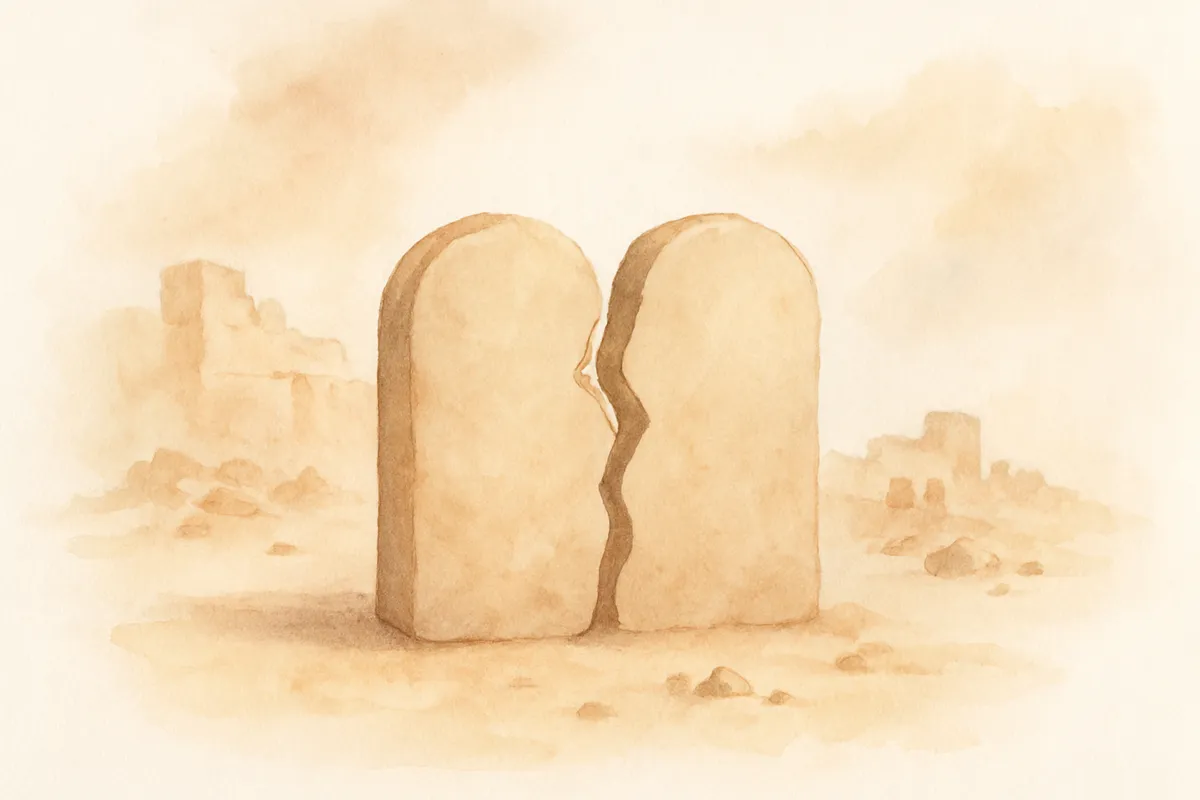
The 17th of Tammuz (Shiva Asar b'Tammuz — שבעה עשר בתמוז) is a fast day commemorating five tragic events that befell the Jewish people, most notably the breaching of Jerusalem's walls before the destruction of the Temple. It marks the beginning of a three-week period of mourning (Bein HaMetzarim — "Between the Straits") that culminates in Tisha B'Av, the saddest day on the Jewish calendar. This year, the fast falls on July 2, 2026.
Key Takeaways
- The 17th of Tammuz is one of four rabbinic fast days rooted in the tragedies surrounding the destruction of the Temple.
- It marks the start of the Three Weeks of mourning, ending on Tisha B'Av (this year, July 23, 2026).
- Five separate calamities are associated with this date, spanning from the desert generation through the Roman destruction.
- The fast is a "minor" fast — observed only from dawn (alot hashachar) to nightfall, unlike Tisha B'Av which is a full 25-hour fast.
- The Rambam identifies this fast with "the fast of the fourth month" mentioned in the prophet Zechariah.
The Biblical Source
The Rambam (Maimonides) in his Mishneh Torah grounds the four fast days in the verse from the prophet Zechariah (8:19):
"צוֹם הָרְבִיעִי וְצוֹם הַחֲמִישִׁי..." "The fast of the fourth month and the fast of the fifth month..."
He explains: "The fast of the fourth — this is the 17th of Tammuz, which is in the fourth month." [Mishneh Torah, Hilchot Ta'aniyot 5:4]
The Shulchan Aruch similarly rules: "We are obligated to fast on Tisha B'Av, the 17th of Tammuz, the 3rd of Tishrei, and the 10th of Tevet, because of the evil events that occurred on them." [Shulchan Aruch, Orach Chaim 549:1]
The Five Tragedies of the 17th of Tammuz
The Talmud [Taanit 26a] records five calamities that occurred on this date:
- Moses broke the Tablets (Luchot) upon descending from Sinai and seeing the Golden Calf [Exodus 32:19].
- The daily Tamid offering was suspended during the siege of Jerusalem (First Temple period).
- Jerusalem's walls were breached by the Romans (Second Temple destruction, 70 CE) — this is the primary commemoration.
- Apostomos burned the Torah — a Greek or Roman officer publicly burned a Torah scroll.
- An idol was erected in the Temple — a profound desecration of the holy site.
Note: During the First Temple's destruction, the walls were breached on the 9th of Tammuz [Jeremiah 52:6-7]. The Talmud reconciles this by explaining that in exile, dates can become confused, or that two different walls were breached on different dates.
The Three Weeks: Bein HaMetzarim
The period from the 17th of Tammuz through Tisha B'Av is called Bein HaMetzarim (בֵּין הַמְּצָרִים — "Between the Straits"), drawn from the verse in Lamentations (1:3):
"כָּל רֹדְפֶיהָ הִשִּׂיגוּהָ בֵּין הַמְּצָרִים" "All her pursuers overtook her between the straits."
The Kitzur Shulchan Aruch states: "Since on the 17th of Tammuz the troubles of the destruction began, we therefore practice some mourning from this day until after Tisha B'Av." [Kitzur Shulchan Aruch 122:1]
Practices during the Three Weeks include:
- No weddings are performed (even for those who have not yet fulfilled peru u'revu — the commandment to have children).
- No haircuts (varying customs on when exactly this begins).
- No live music (many authorities).
- Tikkun Chatzot (midnight lamentation service) is recommended for the spiritually scrupulous.
- Engagements (shidduchim) with a celebratory meal are permitted until Rosh Chodesh Av (July 15, 2026), after which additional restrictions apply.
Future Transformation
The Rambam and later authorities note a remarkable teaching: in the Messianic era, these fast days will be transformed into days of joy and celebration [Mishneh Torah, Hilchot Ta'aniyot 5:19, citing Zechariah 8:19]. The mourning we practice today is not permanent — it is an expression of hope and longing for redemption (geulah).
For personal guidance on fast day observance, particularly regarding health exemptions or halachic questions, consult your local rabbi or posek.
Sources
People Also Asked
Want to dig deeper?