What is traditional tallit?
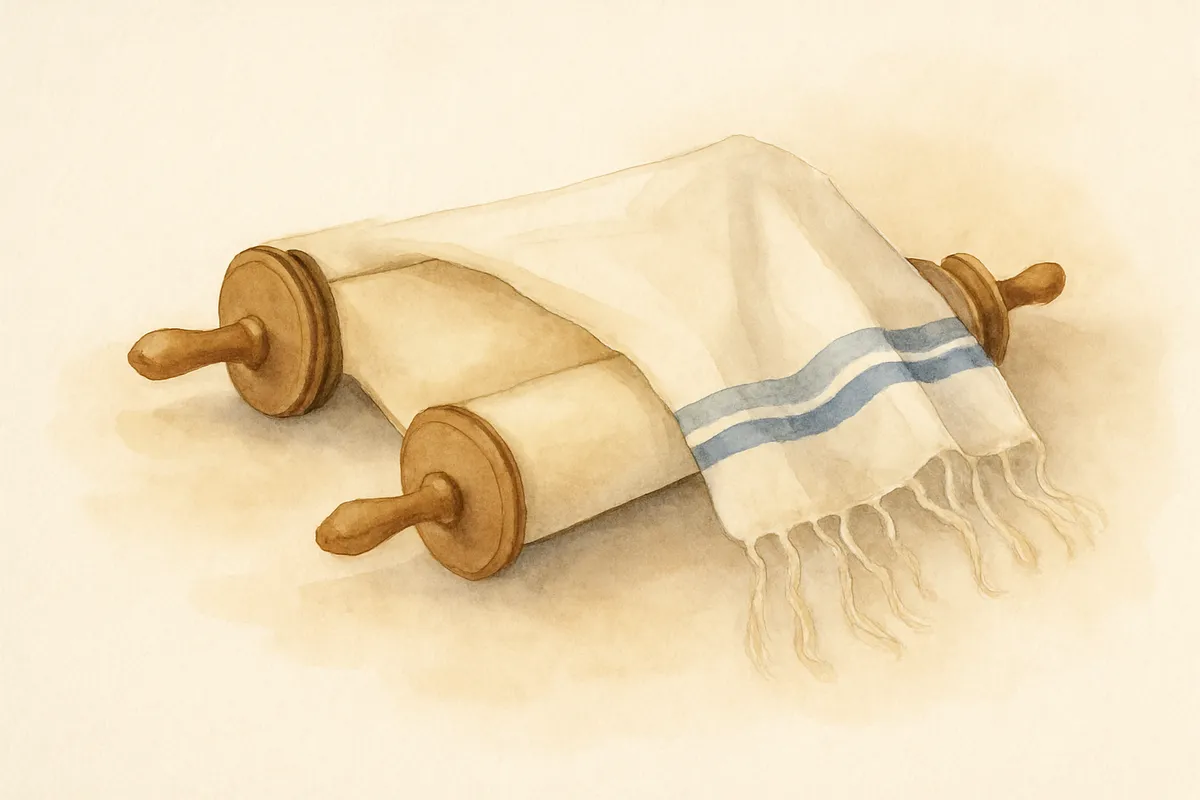
A tallit (טַלִּית) is a traditional Jewish prayer shawl worn during worship, designed with four corners upon which tzitzit (fringes) are attached in fulfillment of a Biblical commandment. The garment itself has no inherent sanctity — its purpose is entirely to serve as a vehicle for the tzitzit, which are meant to remind the wearer of all of God's commandments.
Key Takeaways
- A tallit is a four-cornered garment worn to fulfill the Biblical mitzvah (commandment) of tzitzit — fringes attached to each corner.
- The Torah commands that one thread of each fringe be dyed tekhelet (blue), though this practice was lost for centuries and is being partially revived today.
- Women are traditionally exempt from wearing a tallit, as it is a time-bound positive commandment (mitzvat aseh she'hazman grama).
- The tallit has no inherent holiness — broken threads may be discarded, and one may even wear it into a restroom.
- The purpose of tzitzit is spiritual: to see them, remember all God's commandments, and avoid going astray after one's heart and eyes.
Biblical Source of the Tallit
The commandment underlying the tallit comes directly from the Torah:
"דַּבֵּר אֶל־בְּנֵי יִשְׂרָאֵל וְאָמַרְתָּ אֲלֵהֶם וְעָשׂוּ לָהֶם צִיצִת עַל־כַּנְפֵי בִגְדֵיהֶם לְדֹרֹתָם וְנָתְנוּ עַל־צִיצִת הַכָּנָף פְּתִיל תְּכֵלֶת" "Speak to the Children of Israel and say to them that they shall make for themselves fringes on the corners of their garments throughout their generations, and they shall place on the fringe of each corner a thread of blue wool."
[Numbers 15:38]
The very next verse explains the purpose:
"וְהָיָה לָכֶם לְצִיצִת וּרְאִיתֶם אֹתוֹ וּזְכַרְתֶּם אֶת־כׇּל־מִצְוֺת יְהֹוָה" "And it shall be for you as tzitzit, and you shall see it and remember all the commandments of God and do them, and you shall not stray after your hearts and after your eyes."
[Numbers 15:39]
The tallit, then, is not merely a garment — it is a visual mnemonic device for the entire Torah.
Physical Description
The Garment
A tallit is typically a rectangular shawl made of wool, linen (rarely used due to shatnez concerns), cotton, or silk. It must have four distinct corners to obligate the wearer in tzitzit.
Two common forms exist:
- Tallit gadol (large tallit) — the full prayer shawl draped over the shoulders or head during prayer.
- Tallit katan (small tallit) — a smaller undergarment with tzitzit, worn throughout the day beneath one's clothes.
The Tzitzit (Fringes)
Each corner has a set of knotted and wound strings. Traditionally, each set consists of eight threads (four doubled over), wound in a specific pattern of knots and coils.
The Torah specifies a thread of tekhelet — a blue dye historically derived from the chilazon sea creature. This practice was lost in late antiquity. Rambam (Maimonides) ruled that white threads (lavan) alone fulfill the commandment when tekhelet is unavailable [Mishneh Torah, Fringes 1:4]. In recent generations, some have revived the use of tekhelet based on the identification of the chilazon with the Murex trunculus snail.
The Atarah (Neckpiece)
Many tallitot feature a decorative silver or embroidered neckband (atarah) to indicate which side faces up and ensure consistent orientation.
Laws of the Tallit
Who Is Obligated?
The Rambam rules clearly:
"נָשִׁים וַעֲבָדִים וּקְטַנִּים פְּטוּרִין מִן הַצִּיצִית מִן הַתּוֹרָה" "Women, slaves, and minors are exempt from tzitzit by Torah law."
[Mishneh Torah, Fringes 3:9]
The Shulchan Arukh concurs, explaining the reason:
"נשים ועבדים פטורים מפני שהיא מצות עשה שהזמן גרמא" "Women and slaves are exempt because it is a time-bound positive commandment."
[Shulchan Arukh, Orach Chayim 17:2]
The Rema (Rabbi Moshe Isserles), in his gloss (Hagahah), adds that while women may choose to wear a tallit, it "appears as arrogance" (mechzi ke'yohara), and therefore Ashkenazic custom discourages it.
Holiness of the Tallit
The Rambam makes an important ruling:
"מֻתָּר לְהִכָּנֵס בְּצִיצִית לְבֵית הַכִּסֵּא וּלְבֵית הַמֶּרְחָץ. נִפְסְקוּ לוֹ חוּטֵי לָבָן אוֹ תְּכֵלֶת זוֹרְקוֹ בָּאַשְׁפָּה מִפְּנֵי שֶׁהִיא מִצְוָה שֶׁאֵין בְּגוּפָהּ קְדֻשָּׁה" "It is permitted to enter a bathroom or bathhouse wearing tzitzit. If the white or blue threads break, one may throw them in the garbage, because it is a commandment that has no inherent holiness in the object itself."
[Mishneh Torah, Fringes 3:9]
This distinguishes tzitzit from objects like a Torah scroll or mezuzah, which have intrinsic sanctity.
Selling to Non-Jews
The same passage contains an interesting ruling: one may not sell a fringed tallit to a non-Jew without first removing the tzitzit — not because of holiness, but out of concern that a Jew might travel with the non-Jew, mistake him for a Jew, and thus be endangered [Mishneh Torah, Fringes 3:9].
Spiritual Significance
Remembrance of All Commandments
The Talmud notes that the numerical value (gematria) of the word tzitzit (ציצית = 600), combined with the 8 threads and 5 knots of each fringe, equals 613 — the traditional count of Torah commandments [Rashi, Numbers 15:39, citing the tradition]. This connects the tzitzit directly to the totality of Torah observance.
Protection from Sin
The Torah explicitly says the tzitzit protect against "straying after your heart and after your eyes" [Numbers 15:39] — a reference to improper desires. The Talmud records a famous story of a man saved from sin by his tzitzit striking him in the face at a critical moment [Menachot 44a].
Wrapping as Spiritual Enclosure
The act of wrapping oneself in a tallit is described in Jewish mysticism as enveloping oneself in divine light. Kabbalistic tradition associates
Sources
People Also Asked
Want to dig deeper?