What is the summary of Parshat Tazria?
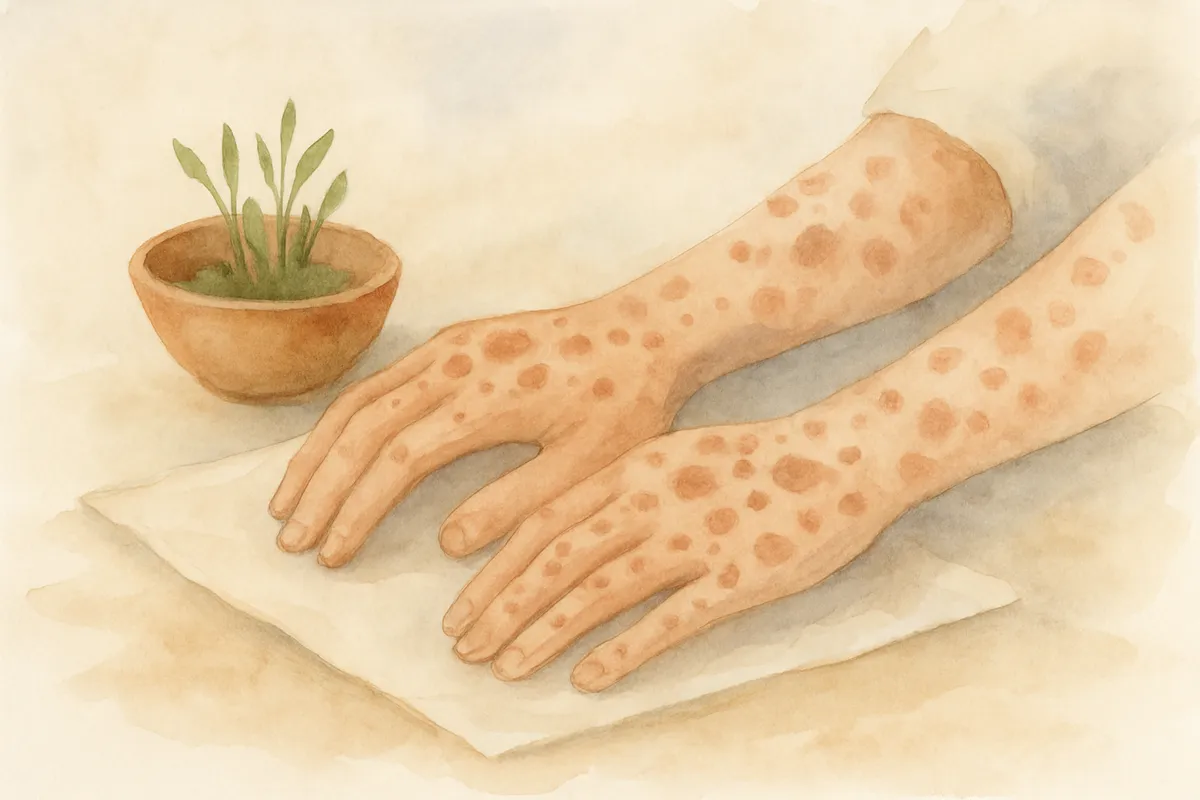
Parshat Tazria (Leviticus 12–13) deals with two primary topics: the laws of tumah (ritual impurity) following childbirth, and the laws of tzara'at (a skin affliction often mistranslated as "leprosy") affecting persons, garments, and homes. The parasha establishes that a woman who gives birth undergoes a period of ritual impurity, and that a kohen (priest) must examine skin afflictions to determine whether a person is ritually pure or impure.
Key Takeaways
- Childbirth renders a woman ritually impure for 7 days (for a boy) or 14 days (for a girl), followed by a longer period of tohorat dam (blood purity).
- Tzara'at is not merely a physical disease but a spiritual-moral affliction, classically associated with lashon hara (evil speech), arrogance, and greed.
- The kohen, not a physician, serves as the halachic authority who determines the status of tzara'at — his role is judicial, not medical.
- A person declared tameh (impure) by the kohen must dwell outside the camp, separated from the community.
- The parasha is often paired with Parshat Metzora, which details the purification process.
Part 1: Laws of Childbirth (Leviticus 12)
The Opening
The parasha begins with God speaking to Moshe alone:
"וַיְדַבֵּ֥ר יְהֹוָ֖ה אֶל־מֹשֶׁ֥ה לֵּאמֹֽר׃" — "And Hashem spoke to Moshe, saying." [Leviticus 12:1]
Notably, the laws of tzara'at in chapter 13 are addressed to both Moshe and Aharon [Leviticus 13:1], since the kohanim play an active role in those laws.
Post-Birth Impurity
A woman who gives birth to a male child is:
- Impure for 7 days (like niddah)
- Then has 33 days of dam tohar (blood of purity) — a semi-pure state
- On the 8th day, the boy is circumcised (brit milah)
For a female child, all periods are doubled:
- 14 days of impurity
- 66 days of dam tohar
The Debate Over the Doubled Period for a Girl
The Midrash of Philo records a fascinating ancient debate on this doubling:
"שליצירת נקבה דרוש זמן כפול מזה שליצירת זכר" — "The formation of a female requires double the time of a male." [Midrash of Philo 2:21:10]
This parallels the opinion of Rabbi Yishmael, who held that a male fetus is fully formed by day 41 and a female by day 81, thus explaining the doubled purification period. The Sages, however, disagreed, maintaining that both males and females are fully formed by day 41, and offered a different basis for the law.
Part 2: Laws of Tzara'at (Leviticus 13)
What Is Tzara'at?
Tzara'at (צָרַעַת) is a divinely-sent skin condition described in the Torah. It is not simply a natural disease like modern leprosy (Hansen's disease), but a spiritually-caused affliction. The Sages and commentators consistently identify it as a punishment for moral failures.
The Kohen's Role — Judge, Not Doctor
The Abarbanel makes a crucial distinction:
The Torah directs the laws of tzara'at to the kohen, not a physician. Unlike a doctor whose advice one may follow or ignore, the kohen's declaration carries halachic authority — the metzora (afflicted person) is obligated to follow the kohen's ruling. [Abarbanel, Deuteronomy 24:5:2]
The [Siftei Chakhamim, Leviticus 12:2:1] also notes an interesting question about the order of the parasha: since tzara'at (Metzora) affects men, and men were created first, why does Tazria (about women/childbirth) come first? The answer given is that childbirth is more common than tzara'at, and the Torah generally prioritizes the more frequent occurrence.
The Process of Examination
When a person develops a suspicious skin lesion:
- They come before the kohen for examination
- The kohen may declare them tameh (impure) immediately if signs are present
- Or the kohen may quarantine (hesger) the person for 7 days if the case is unclear
- A second 7-day quarantine may follow
- If the lesion spreads, the person is declared tameh; if it fades, tahor (pure)
The Metzora's Status
A person declared tameh must:
- Tear their garments
- Let their hair grow wild
- Cover their upper lip and call out "Tameh! Tameh!" as a warning to others
- Dwell alone outside the camp
Tzara'at on Garments
The parasha also covers tzara'at appearing on clothing — wool, linen, or leather. A garment with a spreading greenish or reddish lesion is also examined by the kohen and may be declared impure or burned.
Part 3: The Spiritual Dimension — Why Does Tzara'at Come?
The Three Sins of Tzara'at
The Kli Yakar explains that tzara'at is rooted in three sins hinted at in the parasha:
"עִקַּר הַצָּרַעַת בָּא עַל שָׁלֹשׁ עֲבֵרוֹת הָרְמוּזִים בַּפָּרָשָׁה, וְהֵם לָשׁוֹן הָרָע וְגַסּוּת הָרוּחַ וְחֶמְדַּת הַמָּמוֹן" — "The essence of tzara'at comes for three sins hinted in the parasha: evil speech, arrogance, and greed." [Kli Yakar, Leviticus 14:4]
Lashon Hara as the Primary Cause
The Chafetz Chaim (Rabbi Yisrael Meir Kagan) in Shemirat HaLashon traces lashon hara (evil speech) as the premier cause of divine punishment throughout the Torah:
"רִאְשׁוֹן לַכֹּל, מַעֲשֵׂה דְּנָחָשׁ, שֶׁסִּפֵּר לָשׁוֹן הָרָע עַל הַקָדוֹשׁ בָּרוּךְ הוּא, וּבָזֶה גָּרַם מִיתָה לְכָּל בָּאֵי עוֹלָם" — "First of all was the act of the serpent, who spoke lashon hara about the Holy One, Blessed be He, and thereby caused death to all who enter the world." [Shemirat HaLashon, Book II 3:2]
The classic example is Miriam, who spoke against Moshe and was stricken with tzara'at [Numbers 12], and Gehazi, the servant of Elisha [II Kings 5].
Connection to Broader Torah Themes
Parshat Tazria sits at the intersection of purity law, moral accountability, and divine communication through the body. The Torah teaches that the physical world reflects spiritual reality — when the inner life is corrupted (through speech, pride, or greed), it manifests externally. The kohen's role emphasizes that **spiritual
Sources
People Also Asked
Want to dig deeper?