What is the Shema prayer and what does it mean?
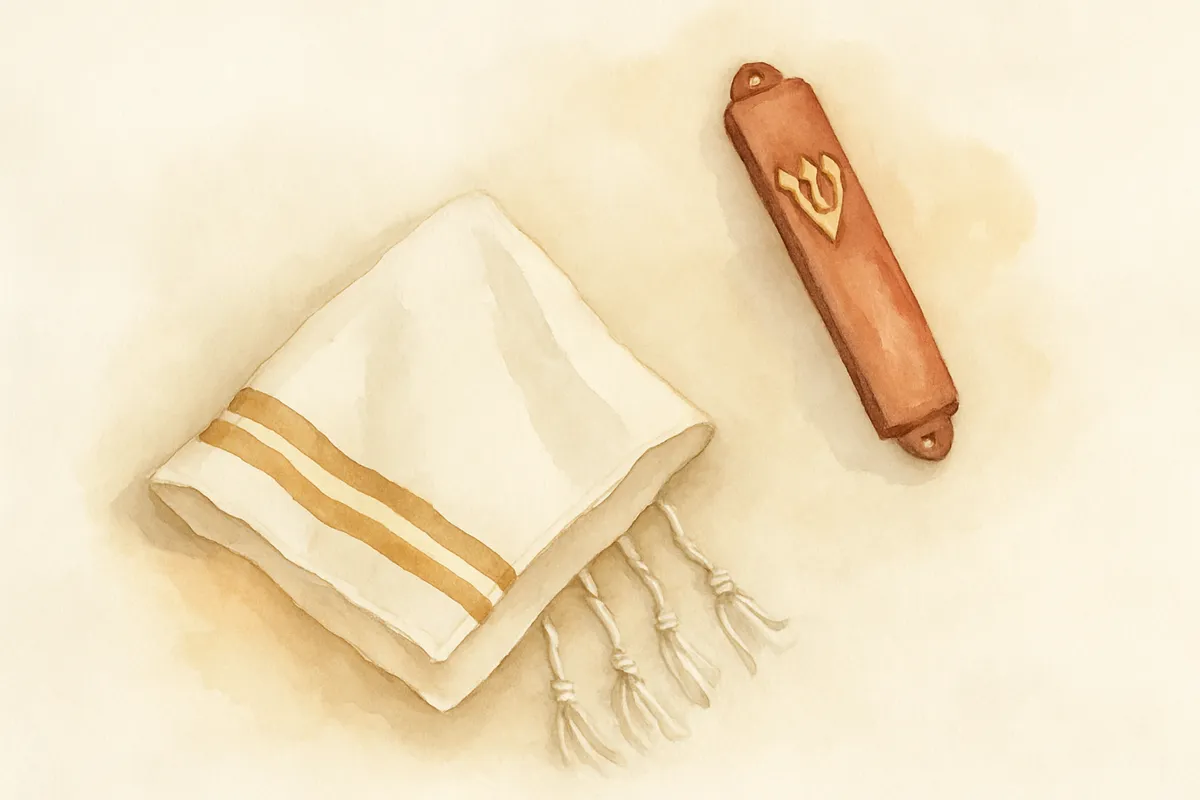
The Shema (שְׁמַע) is Judaism's central declaration of faith, consisting of three biblical passages recited twice daily. Its opening verse — "Shema Yisrael, Hashem Eloheinu, Hashem Echad" — "Hear O Israel, the LORD is our God, the LORD is One" [Deuteronomy 6:4] — is the foundational proclamation of Jewish monotheism, affirming God's absolute unity and sovereignty over all existence.
Key Takeaways
- The Shema is composed of three Torah passages: Deuteronomy 6:4–9, Deuteronomy 11:13–21, and Numbers 15:37–41.
- Its core theological message is yichud Hashem (the absolute Oneness of God), which the Ramban describes as the very "root of faith."
- Reciting the Shema is a Torah-level commandment, obligated twice daily — morning and evening.
- The Shema is so central that Rabbi Akiva recited it with his dying breath while being martyred.
- The Shema is not merely a statement of belief but a call to action: to love God, teach Torah, and observe the commandments.
The Three Paragraphs of the Shema
The Shema is actually a unit of three distinct biblical passages, each contributing a layer of meaning:
1. Shema — Deuteronomy 6:4–9
"שְׁמַע יִשְׂרָאֵל יְהֹוָה אֱלֹהֵינוּ יְהֹוָה אֶחָד" "Hear O Israel, the LORD is our God, the LORD is One." [Deuteronomy 6:4]
This opening verse is the heart of the entire prayer. It is followed by the command to love God "with all your heart, with all your soul, and with all your might" (be-khol levavkha, u-ve-khol nafshekha, u-ve-khol me'odekha), to teach Torah to one's children, to bind tefillin, and to affix a mezuzah.
2. Ve-Haya Im Shamoa — Deuteronomy 11:13–21
This paragraph, beginning "וְהָיָה אִם שָׁמֹעַ תִּשְׁמְעוּ" ("And it shall come to pass, if you surely listen..."), introduces the covenant dimension: obedience to God's commandments brings blessing, while turning away brings consequence [Deuteronomy 11:13–21]. It also repeats the commandments of tefillin and mezuzah, reinforcing their centrality.
3. Va-Yomer — Numbers 15:37–41
This passage commands the wearing of tzitzit (fringes), stating:
"וּרְאִיתֶם אֹתוֹ וּזְכַרְתֶּם אֶת כׇּל מִצְוֺת יְהֹוָה" — "And you shall see it and remember all the commandments of God." [Numbers 15:39]
It concludes with the reminder of the Exodus from Egypt — which is why this paragraph is essential: it links the acceptance of God's sovereignty (ol malkhut shamayim, the yoke of the Heavenly Kingdom) with God's redemptive acts in history.
The Theological Meaning: God's Absolute Unity
The Ramban (Nachmanides) explains that the Shema is the shoresh be-emunah — "the root of faith" — and that one who does not affirm it is a kofer ba-ikar, a denier of the fundamental principle of Judaism [Ramban, Deuteronomy 6:4].
He further notes that the Shema serves as a refutation of dualism — the heretical notion that there are "two domains" or powers in the universe. As Rabbi Natan taught: "From here is the answer to the heretics who say there are two authorities — when God stood at Sinai and said 'I am the LORD your God,' who protested?" [Ramban, Deuteronomy 6:4, citing the Midrash].
The word "Echad" (One) is particularly significant. The Talmud teaches that one must dwell on the dalet (ד) of Echad — extending the declaration of Oneness to encompass all four corners of the world and the heavens and earth [Berakhot 13b, from my training].
The Obligation: Twice Daily
The commandment to recite the Shema twice daily — morning (Shacharit) and evening (Arvit) — is derived from the verse itself: "u-ve-shakhbekha u-ve-kumekha" — "when you lie down and when you rise up" [Deuteronomy 6:7].
The Talmud in Berakhot establishes the precise time windows for each recitation. The evening Shema corresponds to nighttime, and the morning Shema must be recited after dawn but before the first three hours of the day (according to most authorities).
Rabbi Akiva and the Shema: The Ultimate Devotion
Perhaps the most powerful expression of the Shema's meaning comes from the martyrdom of Rabbi Akiva. The Talmud records:
"בְּשָׁעָה שֶׁהוֹצִיאוּ אֶת רַבִּי עֲקִיבָא לַהֲרִיגָה זְמַן קְרִיאַת שְׁמַע הָיָה, וְהָיוּ סוֹרְקִים אֶת בְּשָׂרוֹ בְּמַסְרְקוֹת שֶׁל בַּרְזֶל, וְהָיָה מְקַבֵּל עָלָיו עוֹל מַלְכוּת שָׁמַיִם" "When they took Rabbi Akiva out to be executed, it was the time of the Shema recitation, and they were combing his flesh with iron combs, yet he was accepting upon himself the yoke of the Kingdom of Heaven." [Berakhot 61b]
When his students cried out in anguish, Rabbi Akiva replied that all his life he had been troubled by the verse "with all your soul" — meaning even if God takes your soul — and had wondered when he would have the opportunity to fulfill it. "Now that the opportunity has come to me, shall I not fulfill it?" He prolonged the word Echad until his soul departed.
This story reveals that the Shema is not merely a declaration of theology but an act of kabbalat ol malkhut shamayim — accepting the yoke of Heaven — a lived commitment that encompasses one's entire being.
The Shema at Bnei Brak: A Model of Engagement
The Pesach Haggadah records that five great Sages — Rabbi Eliezer, Rabbi Yehoshua, Rabbi Elazar ben Azaryah, Rabbi Akiva, and Rabbi Tarfon — reclined at Bnei Brak and told the story of the Exodus all night long, until their students came and said:
"רַבּוֹתֵינוּ הִגִּיעַ זְמַן קְרִיאַת שְׁמַע שֶׁל שַׁחֲרִית" — "Our teachers, the time for the morning Shema has arrived." [Pesach Haggadah, Magid]
This teaches that the Shema frames even the most profound spiritual experiences — it is the anchor that connects intellectual and spiritual engagement to daily, disciplined practice.
Deeper Layers of Meaning
- Pshat (plain meaning): A declaration of monotheism addressed to the people of Israel.
- Remez (allusion): The Kabbalistic tradition notes that the letters *ש
Sources
People Also Asked
Want to dig deeper?