What is the meaning of hamotzi?
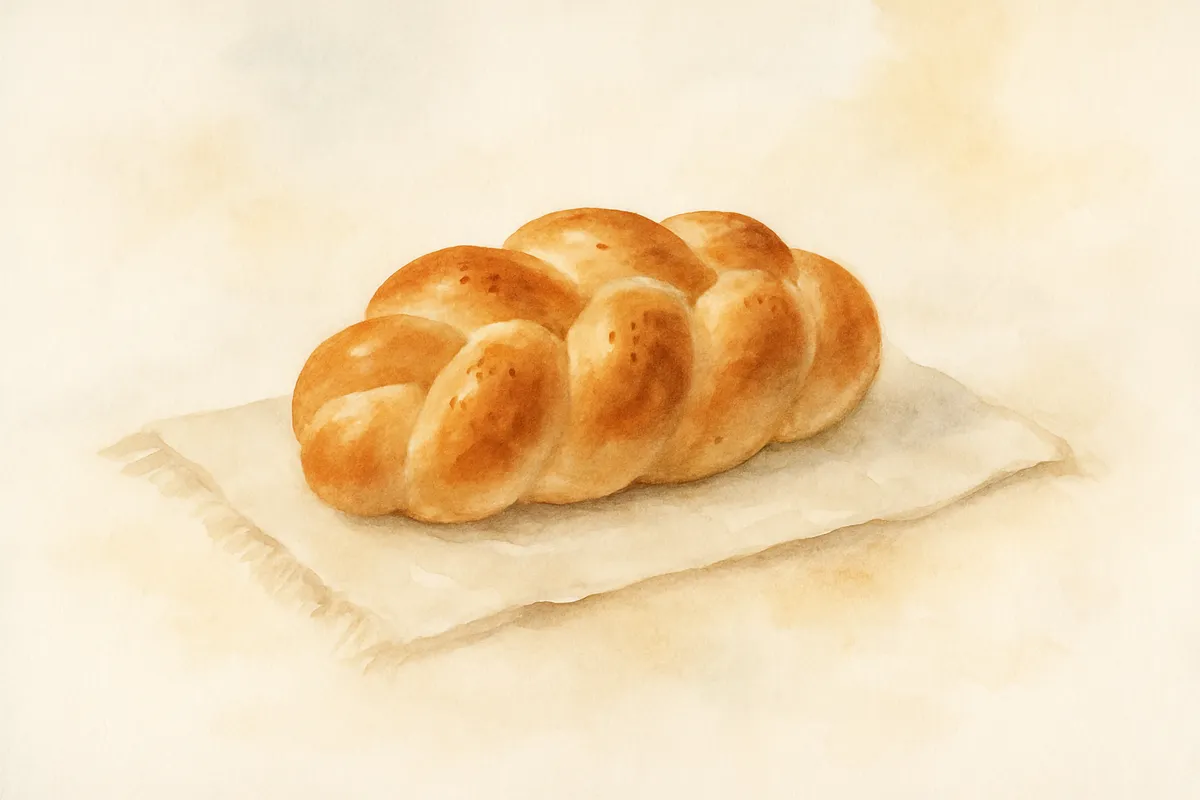
The brachah (blessing) known as Hamotzi is the blessing recited over bread before eating. Its full text is: "Baruch Atah Hashem, Eloheinu Melech ha'olam, hamotzi lechem min ha'aretz" — "Blessed are You, Lord our God, King of the universe, Who brings forth bread from the earth." The word hamotzi itself means "Who brings forth," expressing gratitude to God as the ultimate source of all sustenance.
Key Takeaways
- Hamotzi literally means "Who brings forth" — referring to God drawing bread from the earth.
- It is the brachah recited over bread made from the five grains (wheat, barley, spelt, oats, and rye).
- The blessing covers all foods eaten as part of a bread-based meal.
- Its text is found in both the Siddur and the Passover Haggadah, where it is recited over matzah.
- A pause between reciting the blessing and eating the bread requires repeating the blessing.
The Text and Its Meaning
The full blessing reads [Siddur Ashkenaz, Birkat Hanehenin]:
בָּרוּךְ אַתָּה יְיָ, אֱלֹהֵינוּ מֶלֶךְ הָעוֹלָם, הַמּוֹצִיא לֶחֶם מִן הָאָרֶץ "Blessed are You, Lord our God, King of the universe, Who brings forth bread from the earth."
The key word hamotzi (הַמּוֹצִיא) is a hif'il (causative) verb form from the root י-צ-א (yod-tzadi-aleph), meaning "to go out." In the causative form, it means "to cause to go out" or "to bring forth." The blessing thus acknowledges that God causes bread to emerge from the earth — a recognition that human agricultural effort alone does not produce food; it is God who empowers the process.
A Grammatical Note: Motzi vs. Hamotzi
The Talmud [Berakhot 38b] records a famous debate between Rabbi Nehemiah and the Sages:
- Rabbi Nehemiah holds the blessing should say motzi (present tense: "Who brings forth")
- The Sages hold it should say hamotzi (with the definite article ha-, meaning "the One Who brings forth")
The accepted halacha follows the Sages — we say hamotzi — with the definite article emphasizing that it is specifically and exclusively God Who brings forth bread. This is reflected in the standard text found in all siddurim.
Hamotzi at the Seder
At the Passover Seder, Hamotzi is recited as part of the combined Motzi Matzah step. The Haggadah instructs [Pesach Haggadah, Motzi Matzah]:
One takes the matzot in the order they were placed — the broken piece between the two whole ones — holds all three and recites Hamotzi with intention over the top whole matzah, and al achilat matzah over the broken piece. One then breaks off a k'zayit (olive-sized portion) from the top whole matzah and a second k'zayit from the broken piece, dips them in salt, and eats both while reclining.
This dual blessing structure is unique to the Seder, as the matzah simultaneously fulfills both the everyday mitzvah of eating bread and the specific Passover commandment of eating matzah.
Wheat, Bread, and Deeper Meaning
Interestingly, Midrash Bereishit Rabbah [15:7] records that Rabbi Meir identified the forbidden Tree of Knowledge in the Garden of Eden as wheat — noting that a person without wisdom is described as one who "never ate wheat bread." This lends profound resonance to the Hamotzi blessing: the very grain at the center of human knowledge and civilization is the one over which we pause to acknowledge God's role in bringing it forth.
Halachic Details
The Rambam (Maimonides) rules [Mishneh Torah, Hilchot Brachot 1:8]:
There must be no pause between a blessing and the object for which it is pronounced. If one paused, the blessing must be repeated — unless the interruption was related to the meal itself (e.g., asking someone to bring salt), in which case the blessing need not be repeated.
This teaches that Hamotzi is not merely a formality — the blessing and the eating must form a unified, intentional act.
For personal guidance on specific halachic questions regarding blessings, consult your local rabbi or posek.
Sources
People Also Asked
Want to dig deeper?