What is the Jewish home blessing (Birkat HaBayit)?
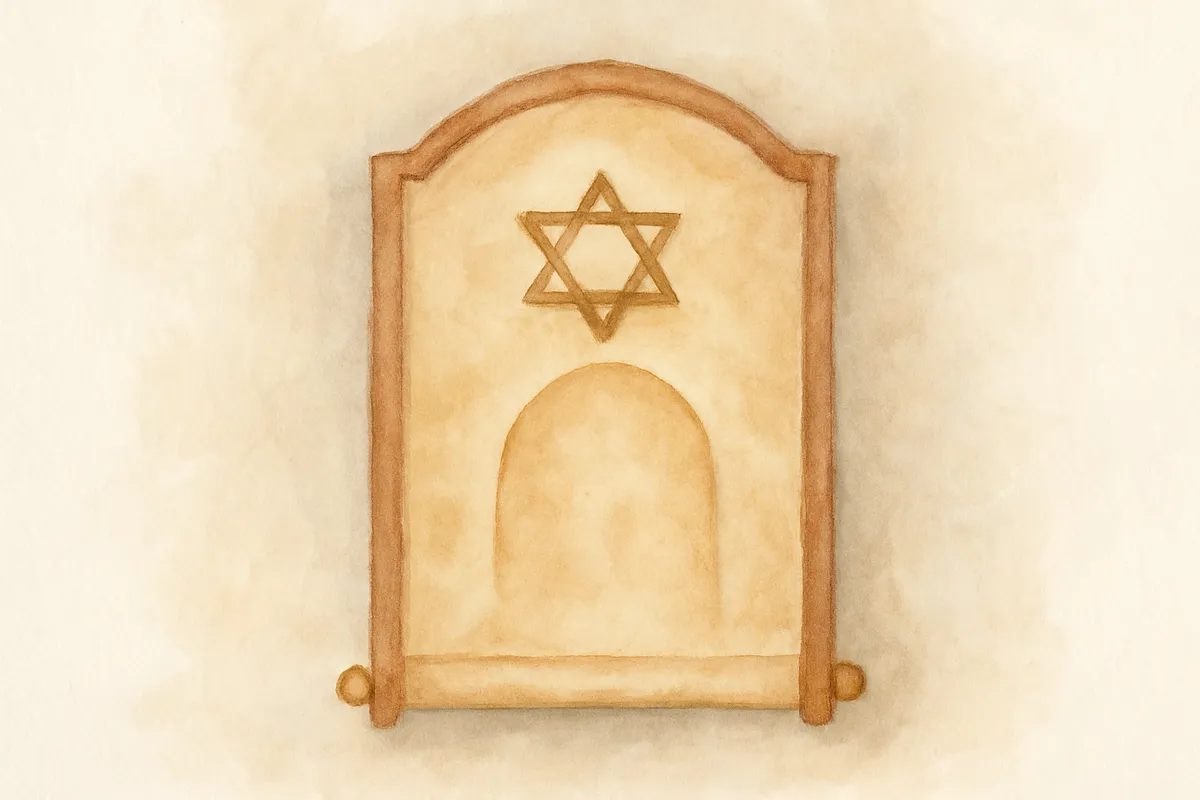
Birkat HaBayit — The Jewish Home Blessing
The Birkat HaBayit (בִּרְכַּת הַבַּיִת, "Blessing of the Home") refers to the traditional blessing invoked upon a Jewish household, its inhabitants, and all who dwell or visit within it. The concept encompasses both a specific liturgical text commonly displayed in Jewish homes and a broader Torah principle that God's blessing rests upon the home — with the Talmud teaching that the blessing of the home increases in proportion to the number of people within it.
Key Takeaways
- Birkat HaBayit is a traditional home blessing rooted in biblical promises of divine blessing upon the household of those who follow God's commandments.
- The Talmud [Ketubot 103a] teaches: "birkat habayit b'rubah" — "the blessing of the home is in its abundance [of people]."
- Biblical sources in Deuteronomy and Leviticus describe God's blessing resting on one's home, fields, storehouses, and all endeavors when His commandments are observed.
- The common wall-plaque version of Birkat HaBayit is a later liturgical/folk tradition, not a formal Talmudic bracha (benediction).
- The home is considered a sacred space in Jewish life — the Shulchan Aruch and tradition speak of the mezuzah, Shabbat candles, and Torah study as ways to invite divine blessing into the house.
The Talmudic Source
The phrase Birkat HaBayit appears explicitly in the Talmud Bavli:
"בִּרְכַּת הַבַּיִת בְּרוּבָּה" "The blessing of the home is in its abundance [of inhabitants]." [Ketubot 103a]
Rav Huna makes this statement, and the Talmud brings it in the context of a widow's maintenance — noting that living in a larger household brings greater blessing. The underlying principle is that a home filled with people, activity, and life is a home that attracts divine blessing.
Biblical Foundations
Deuteronomy 28 — Blessings for Observance
The Torah explicitly promises household blessing to those who follow God's commandments:
"בָּר֥וּךְ אַתָּ֖ה בָּעִ֑יר וּבָר֥וּךְ אַתָּ֖ה בַּשָּׂדֶֽה" "Blessed shall you be in the city, and blessed shall you be in the field." [Deuteronomy 28:3]
And further:
"יְצַ֨ו יְהֹוָ֤ה אִתְּךָ֙ אֶת־הַבְּרָכָ֔ה בַּאֲסָמֶ֕יךָ וּבְכֹ֖ל מִשְׁלַ֣ח יָדֶ֑ךָ" "God will command the blessing upon you in your storehouses and in all that you put your hand to." [Deuteronomy 28:8]
These verses are understood by the commentators as encompassing the totality of one's domestic life — the home, its contents, and all one's endeavors.
Leviticus 26 — The Covenant of Blessing
"אִם־בְּחֻקֹּתַי תֵּלֵכוּ וְאֶת־מִצְוֺתַי תִּשְׁמְרוּ וַעֲשִׂיתֶם אֹתָם" "If you walk in My statutes and keep My commandments and do them..." [Leviticus 26:3]
God then promises rain in its season, abundant produce, security, and peace — all blessings centered on the land and home. Rashi explains that "walking in My statutes" means toiling in Torah study, which itself transforms the home into a blessed place.
The Popular Wall-Plaque Blessing
The Birkat HaBayit most people are familiar with — displayed as a decorative plaque in Jewish homes — typically reads something like:
"May this home be blessed with joy and peace, with love and harmony..."
This is a later liturgical and folk tradition, not a formal Talmudic bracha with a shem u'malchut (God's name and kingship formula). It belongs to the genre of tefillot (prayers) and bakkashot (supplications) rather than obligatory blessings. Various versions exist across Ashkenazic and Sephardic communities.
The Home as Sacred Space
Jewish tradition identifies several mitzvot that specifically bring blessing into the physical home:
- Mezuzah — The mezuzah on the doorpost is described by Maimonides (Rambam) as a reminder of God's unity every time one enters and exits, and tradition holds that it protects the household [Hilchot Mezuzah 6:13].
- Shabbat candles — Lighting Shabbat candles brings shalom bayit (peace of the home) [Shabbat 23b].
- Torah study in the home — The Talmud teaches that a home where Torah is studied is a home that endures [Avot 2:4 and related sources].
- Hospitality (hachnasat orchim) — Following the example of Abraham, welcoming guests is considered one of the ways divine blessing enters a household.
The Blessing of "Many People"
Returning to Rav Huna's principle in [Ketubot 103a] — "birkat habayit b'rubah" — the Maharsha and other commentators understand this as teaching that blessing is not a finite commodity divided among many; rather, the presence of more people multiplies the blessing available to all. This is a profound anti-zero-sum vision of divine abundance.
For questions about specific liturgical texts, mezuzah placement, or other practical matters related to the home, consult your local rabbi or posek.
Sources
People Also Asked
Want to dig deeper?