What is jewish psalm 91?
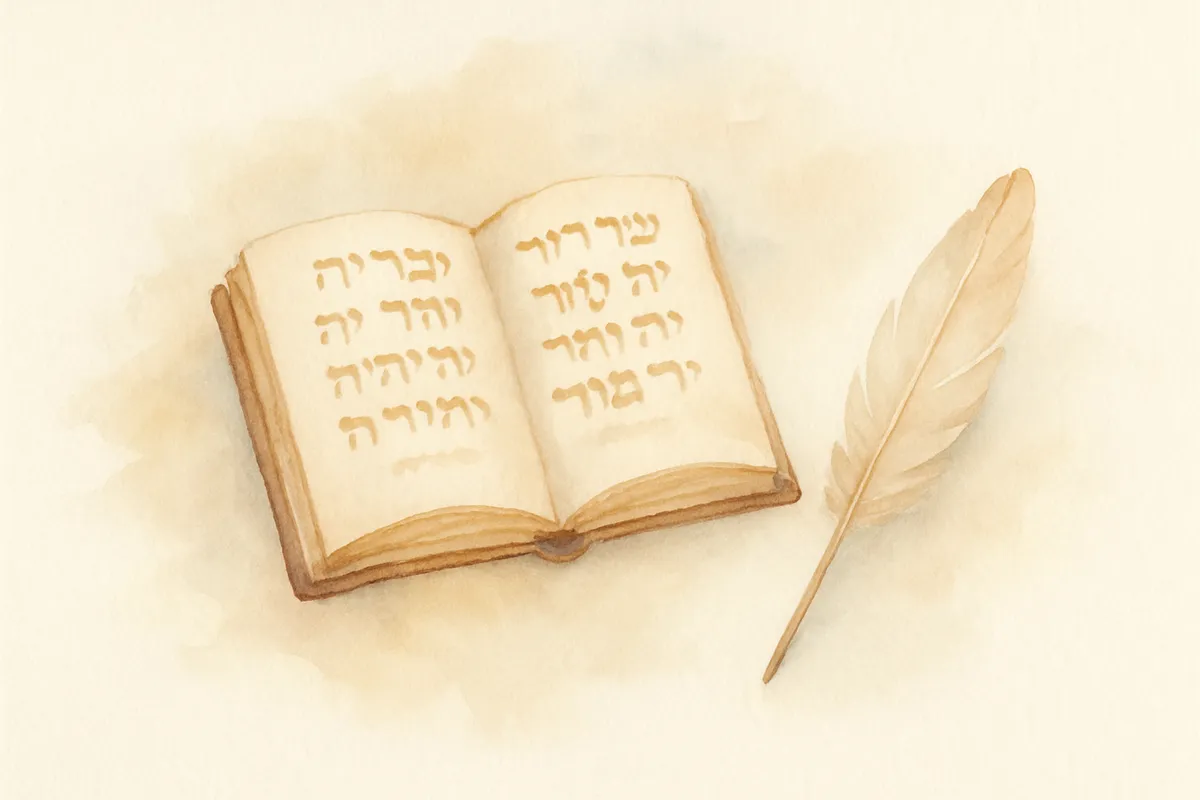
Psalm 91 is one of the most beloved and powerful chapters in the entire Book of Psalms (Tehillim), known as the great psalm of divine protection and security. It describes the profound safety experienced by one who dwells in close relationship with God, promising protection from all manner of danger — physical, spiritual, and supernatural.
Key Takeaways
- Psalm 91 is the premier psalm of divine protection, promising God's shelter from danger, plague, and evil forces.
- It is traditionally attributed to Moses, though some attribute it to David, and it appears in the Psalter anonymously.
- The psalm is recited as a spiritual shield against evil spirits (mazzikim) and is part of the traditional bedtime Shema (Kriat Shema al HaMitah).
- The Talmud references Psalm 91 specifically as "the Song against Plagues" or "the Song against evil spirits."
- It holds a central place in Jewish liturgy, folklore, and protective tradition across all communities.
The Text of Psalm 91
The psalm opens with one of the most iconic verses in all of Tehillim [Psalms 91:1-2]:
יֹשֵׁב בְּסֵתֶר עֶלְיוֹן בְּצֵל שַׁדַּי יִתְלוֹנָן "He who dwells in the shelter of the Most High will abide in the shadow of the Almighty."
אֹמַר לַיהֹוָה מַחְסִי וּמְצוּדָתִי אֱלֹהַי אֶבְטַח בּוֹ "I will say of the LORD, 'He is my refuge and my fortress, my God, in whom I trust.'"
The psalm continues with vivid imagery of divine protection:
כִּי הוּא יַצִּילְךָ מִפַּח יָקוּשׁ מִדֶּבֶר הַוּוֹת "For He will save you from the fowler's snare and from the deadly pestilence." [Psalms 91:3]
לֹא תִירָא מִפַּחַד לָיְלָה מֵחֵץ יָעוּף יוֹמָם — מִדֶּבֶר בָּאֹפֶל יַהֲלֹךְ מִקֶּטֶב יָשׁוּד צׇהֳרָיִם "You shall not fear the terror of the night, nor the arrow that flies by day, nor the pestilence that walks in darkness, nor the destruction that wastes at noonday." [Psalms 91:5-6]
One of its most quoted verses, cited by Rashi in his commentary on Ecclesiastes 10:20, is:
"For He will command His angels on your behalf" [Psalms 91:11]
Rashi notes that this refers to the guardian angel that escorts every person [Rashi on Ecclesiastes 10:20:4].
Authorship and Background
Traditional Attribution
The Talmud and classical commentators associate Psalm 91 with Moses, seeing it as a psalm he composed for spiritual protection. Some traditions hold that it was composed as a protective prayer for those entering dangerous spiritual territory.
The Anonymous Structure
The psalm is notable for shifting between third person ("He who dwells..."), first person ("I will say..."), and second person ("You shall not fear..."), which classical commentators interpret as a dialogue between the human soul and God, or between Moses and Israel.
The Psalm's Role in Jewish Tradition
Protection Against Evil Spirits (Mazzikim)
The Talmud in [Shevuot 15b] explicitly refers to Psalm 91 as "the Song of Plagues" or "the Song against evil spirits" (shir shel pega'im), noting that it was sung with musical instruments — zithers, harps, and cymbals — in every corner of Jerusalem as a form of spiritual protection.
This is one of the most ancient associations of this psalm: it was considered a spiritual amulet in song form.
Bedtime Shema (Kriat Shema al HaMitah)
Psalm 91 is a central component of the bedtime Shema recited before sleeping. The Rambam (Maimonides) in [Mishneh Torah, Prayer and the Priestly Blessing 7:2] records the practice of reciting Kriat Shema before sleep, and the tradition incorporated Psalm 91 as protection during the vulnerable hours of night — when a person is unconscious and spiritually exposed.
The logic is rooted in the psalm's own words: "You shall not fear the terror of the night" — reciting it at night fulfills its own protective promise.
Shabbat Liturgy
Psalm 91 is recited on Friday night as part of the Kabbalat Shabbat service in many communities, sandwiched between Psalm 92 (Mizmor Shir L'Yom HaShabbat) and other psalms, further emphasizing its role as a song of spiritual elevation and protection.
Times of Danger and Illness
Throughout Jewish history, Psalm 91 has been recited:
- During epidemics and plagues
- At burials and funerals (it is traditionally recited three times at a funeral)
- As a protective prayer for soldiers and those in danger
- Written on amulets (kameot) for protection
Deeper Themes and Interpretations
Pshat (Plain Meaning)
On the surface level, the psalm is a declaration of total trust in God. The one who has made God his true refuge — not merely lip service, but genuine reliance — will experience divine protection in every dimension of life.
Drash (Homiletical)
The Midrash sees the psalm as describing the spiritual protection available to the person who studies Torah, comparing the "shelter of the Most High" (seter Elyon) to the shelter of Torah study.
Sod (Mystical)
The Kabbalah (particularly the Zohar and later Arizal) views this psalm as operating on a mystical level — the 13 verses (some count differently) correspond to divine attributes and the psalm creates a spiritual merkavah (chariot) of protection around the soul during sleep.
The Concluding Promise
The psalm ends with a direct divine speech — God Himself speaks [Psalms 91:14-16]:
"Because he loves Me, I will rescue him; I will protect him, for he acknowledges My name. He will call on Me, and I will answer him; I will be with him in trouble, I will deliver him and honor him. With long life I will satisfy him and show him My salvation."
This ending — God promising personal relationship and rescue — makes Psalm 91 not merely a protective formula but a covenant of love and trust between Israel and the Holy One.
For personal guidance on halachic practice regarding the recitation of Psalm 91, consult your local rabbi or posek.
Sources
People Also Asked
Want to dig deeper?