What is jewish prayer before surgery?
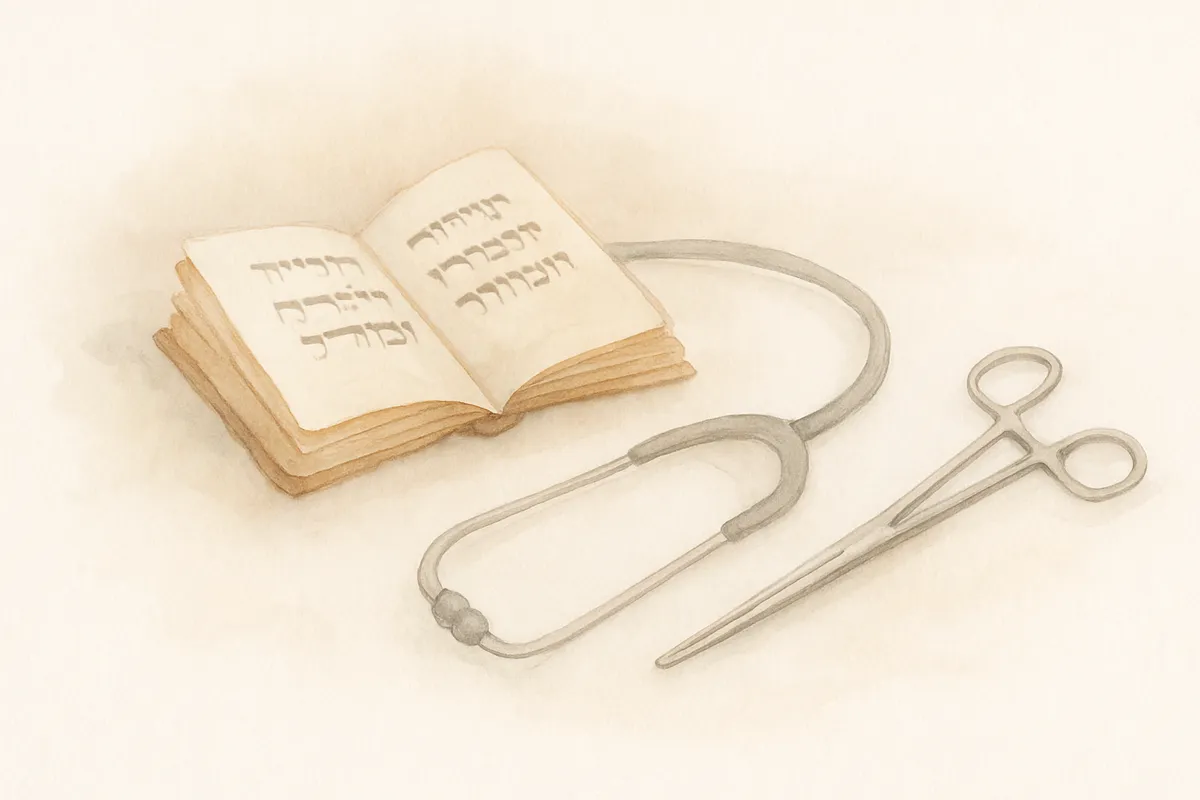
Jewish prayer before surgery draws on the tradition of tefillah (prayer) and bakkashah (petition) before moments of danger or need. The primary text recited is a short prayer asking God for healing, protection, and success, often based on the formula found in the siddur for times of illness and medical procedures, alongside Psalms known for their healing power.
Key Takeaways
- Psalm 69:14 is a foundational verse for prayer in times of need, asking God to answer "in the truth of Your salvation."
- Tehillim (Psalms) — especially Psalms 20, 121, and others — are traditionally recited before and during surgery.
- One should affirm that healing comes from God, even while using doctors and medicine.
- It is customary to recite a Vidui (confession prayer) before surgery, similar to what is said on Yom Kippur, as a spiritual precaution.
- A Mi Sheberach blessing for healing is traditionally recited in synagogue on behalf of the patient.
Detailed Answer
The Foundation: Prayer in Times of Need
The verse from Psalms 69:14 captures the essence of Jewish prayer before a vulnerable moment:
וַאֲנִי תְפִלָּתִי־לְךָ יְהֹוָה עֵת רָצוֹן "But as for me, my prayer is to You, O Lord, at a time of favor." [Psalms 69:14]
This verse teaches that every moment of need is an et ratzon — a moment of divine favor and openness — making it an ideal time to turn to God in prayer.
The Vidui — Confession Before Surgery
One of the most important pre-surgery practices is reciting the Vidui (confession). The Talmud and later halachic codes teach that before entering a situation of mortal risk, one should confess their sins and commit their soul to God.
The short form of Vidui includes:
"I acknowledge before You, Hashem my God and the God of my fathers, that my recovery and my death are in Your hands. May it be Your will that You heal me with a complete healing..."
This is codified in the Shulchan Aruch, Yoreh De'ah 338, and is recited not out of despair but as a spiritual act of humility and trust.
Psalms Traditionally Recited
Tehillim (Psalms) are the primary vehicle for pre-surgery prayer. Commonly recited chapters include:
- Psalm 20 — "May Hashem answer you in the day of distress" — universally used for those in danger or illness
- Psalm 121 — "I lift my eyes to the mountains — from where will my help come?"
- Psalm 130 — "From the depths I call to You, O Lord"
- Psalm 91 — Known as the Shir shel Pega'im, the "psalm of protection"
- Psalm 16 — Focuses on trust in God's protection
A Specific Pre-Surgery Prayer (from the Siddur tradition)
Many siddurim include a direct prayer before surgery or a dangerous procedure. Its themes echo the verse from Deuteronomy 4:9:
רַק הִשָּׁמֶר לְךָ וּשְׁמֹר נַפְשְׁךָ מְאֹד "Only take heed and guard your soul greatly..." [Deuteronomy 4:9]
This verse is understood by the Ramban and other authorities as a Torah-level commandment to protect one's health — meaning that submitting to necessary surgery is itself a mitzvah, not a lack of faith.
The Mi Sheberach — Community Prayer for Healing
When someone is undergoing surgery, it is customary for the congregation to recite a Mi Sheberach ("May He who blessed...") prayer during the Torah reading. The formula asks:
"May the Holy One, blessed be He, have mercy and speedily send a complete recovery of body and soul..."
The patient's Hebrew name and mother's name are traditionally used in this prayer.
The Role of the Doctor and God's Healing
The Torah itself promises healing through divine blessing:
וַהֲסִרֹתִי מַחֲלָה מִקִּרְבֶּךָ "And I will remove illness from your midst." [Exodus 23:25]
The Ramban in his commentary on Leviticus 26:11 teaches that the ideal is to trust in God as the ultimate healer. However, the Shulchan Aruch, Yoreh De'ah 336:1 rules that it is both permitted and obligatory to seek medical treatment — the doctor is seen as God's agent of healing.
Practical Summary of What to Do Before Surgery
- Recite Vidui — quietly and privately, affirming trust in God
- Recite Tehillim — especially Psalms 20, 91, 121
- Ask others to pray — request a Mi Sheberach at your synagogue
- Commit a tzedakah (charity) pledge in the merit of healing
- Recite Shema — as an affirmation of faith
For personal guidance on the specific prayers and customs appropriate for your situation, consult your local rabbi or posek.
Sources
People Also Asked
Want to dig deeper?