What is jewish davening?
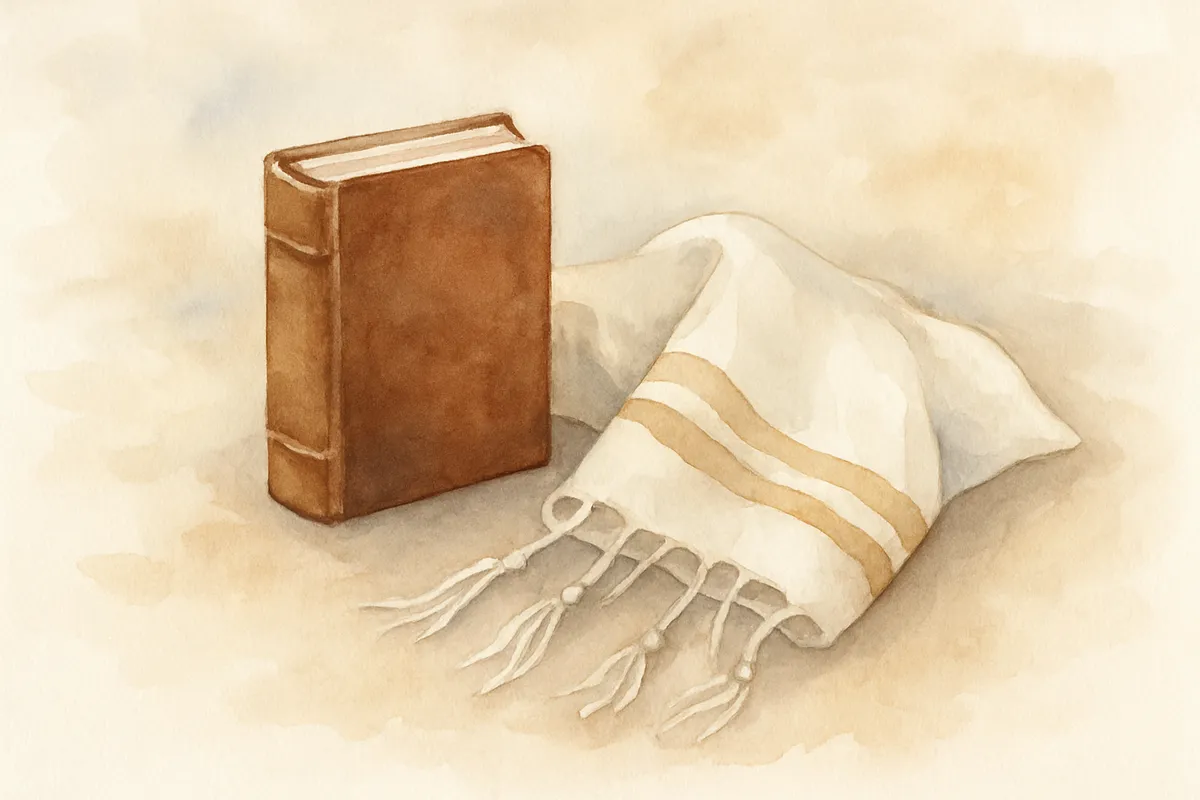
What is Jewish Davening?
Davening is the Yiddish term for Jewish prayer (tefillah), referring to the structured practice of communicating with God through a fixed liturgy recited at designated times each day. It is one of the central pillars of Jewish life, encompassing praise, thanksgiving, petition, and the affirmation of Jewish belief. The daily prayer services — Shacharit (morning), Mincha (afternoon), and Ma'ariv (evening) — form the backbone of this practice.
Key Takeaways
- Davening means Jewish prayer (tefillah), a structured daily practice of communicating with God.
- There are three daily prayer services: Shacharit (morning), Mincha (afternoon), and Ma'ariv (evening).
- The Amidah (Standing Prayer) is the central prayer in every service, recited silently while standing.
- Jewish prayer combines fixed liturgy with personal intention (kavanah), balancing structure with heartfelt devotion.
- Prayer is understood as a form of divine service (avodah), rooted in love of God as commanded in the Torah.
The Word "Davening"
The word daven is Yiddish, used widely in Ashkenazic Jewish communities. Its precise etymology is debated — some trace it to Old French, others to Slavic roots — but it has become the universal colloquial term for Jewish prayer across all denominations and communities.
The Torah Foundation of Prayer
The Torah itself hints at the obligation to pray. The verse in Deuteronomy 11:13 states:
"וְהָיָ֗ה אִם־שָׁמֹ֤עַ תִּשְׁמְעוּ֙ אֶל־מִצְוֺתַ֔י... לְאַהֲבָ֞ה אֶת־יְהֹוָ֤ה אֱלֹֽהֵיכֶם֙ וּלְעׇבְד֔וֹ בְּכׇל־לְבַבְכֶ֖ם וּבְכׇל־נַפְשְׁכֶֽם׃" "And it shall be, if you listen to My commandments... to love the Lord your God and to serve Him with all your heart and with all your soul."
The Talmud [Taanit 2a] famously asks: what is "service of the heart"? And answers: this is prayer (zu hi tefillah). Prayer is thus not merely ritual — it is an act of love directed toward God with one's entire being.
The Structure of Davening
The Three Daily Services
Jewish law (halacha) mandates three daily prayer services, which the Talmud [Berakhot 26b] traces to the three Patriarchs:
- Shacharit (שַׁחֲרִית) — Morning prayer, instituted by Abraham
- Mincha (מִנְחָה) — Afternoon prayer, instituted by Isaac
- Ma'ariv (מַעֲרִיב) — Evening prayer, instituted by Jacob
These services also correspond to the daily Tamid (continual) offerings in the Temple.
The Amidah — Heart of the Service
The Amidah (literally "standing"), also called the Shemoneh Esrei (Eighteen Blessings), is the central prayer of every service. It is recited while standing, facing Jerusalem, in silent devotion. The Amidah contains:
- Praise of God (first three blessings), including Avot — invoking the merit of the forefathers
- Petitions for personal and communal needs (middle blessings)
- Thanksgiving (final three blessings)
The first blessing of the Amidah invokes zechut avot (merit of the ancestors), describing God as "זוֹכֵר חַסְדֵּי אָבוֹת וּמֵבִיא גוֹאֵל לִבְנֵי בְנֵיהֶם" — "Who remembers the kindness of the forefathers and brings a redeemer to their children's children" [A New Israeli Commentary on Pirkei Avot 2:2:12].
Additional Components
| Component | Description | |-----------|-------------| | Pesukei D'Zimra | Verses of praise (Psalms) recited before Shacharit | | Shema | Declaration of God's unity (Deut. 6:4) — a central affirmation of faith | | Kaddish | Aramaic sanctification of God's name, recited at key intervals | | Aleinu | Closing prayer affirming God's kingship over the world | | Tachanun | Supplicatory prayers of repentance recited on weekdays |
Prayer as Gratitude and Relationship
Jewish prayer is not only about petition — it is fundamentally about gratitude and relationship with God. As one source puts it:
"התפילה היהודית היא סמינר מתמשך בהכרת הטוב" — "Jewish prayer is a continuous seminar in gratitude." The morning blessings (Birkhot HaShachar) recited at the start of each day are "a song of thanks for life: for our bodies, for our physical world, for the ground we stand on and the eyes given to us to see with." [Judaism's Life Changing Ideas, Tzav]
Kavanah — Intention in Prayer
A crucial concept in davening is kavanah (כַּוָּנָה) — intention and mindfulness. The Shulchan Aruch [Orach Chayim 98:1] rules that one must pray with kavanah, meaning awareness that one is standing before the Divine Presence. The great legal codes and Kabbalistic works both emphasize that the words of prayer without inner kavanah are like a body without a soul.
Prayer as Community
Davening has both private and communal dimensions. A minyan (quorum of ten Jewish adults) is required for certain prayers (like Kaddish and the repetition of the Amidah). Rav Soloveitchik in Kol Dodi Dofek highlights how praying for others — not just for oneself — is itself a spiritual transformation. God's instruction to Job to pray on behalf of his friends signifies liberation from self-centeredness and entry into genuine communal empathy [Kol Dodi Dofek, Job 10].
Special Days and Variations
- On Shabbat and Holidays, the weekday petitionary blessings are replaced with prayers of sanctification
- On Yom Kippur, special prayers like Kol Nidre and Ne'ilah are added; notably, on the Eve of Yom Kippur, nefilat apayim (prostration prayers) and certain selichot are not recited [Shulchan Aruch, Orach Chayim 604:2]
- Musaf (additional service) is added on Shabbat, Rosh Chodesh, and Festivals
For personal guidance on prayer practice, establishing a davening routine, or halachic questions about specific prayers, consult your local rabbi or posek.
Sources
People Also Asked
Want to dig deeper?