What is jewish blessing may the lord bless you?
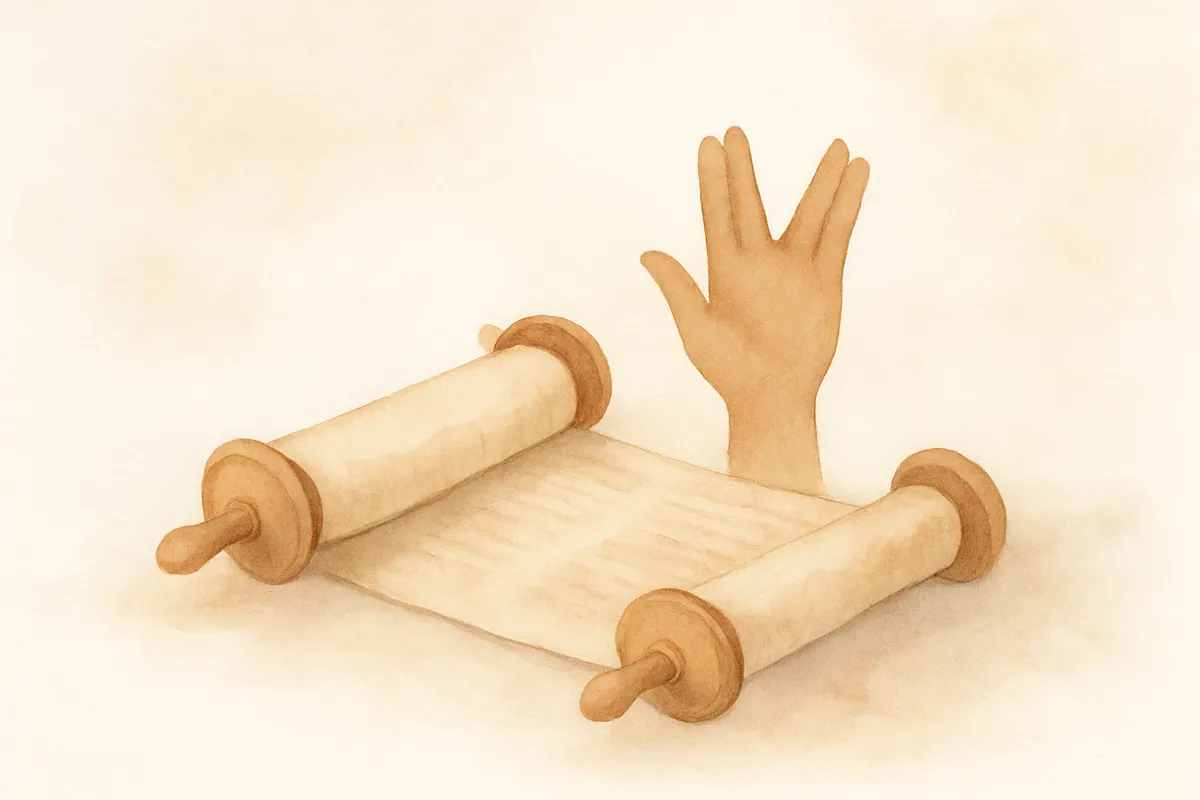
The blessing you are referring to is Birkat Kohanim (the Priestly Blessing), one of the most ancient and sacred blessings in all of Judaism. It consists of three verses found in Numbers 6:24–26, in which God commands the priests (Kohanim) to bless the people of Israel, promising that He Himself will affirm and fulfill the blessing.
Key Takeaways
- Birkat Kohanim is a three-verse blessing commanded by God in Numbers 6:24–26, making it one of the oldest prayers in existence.
- The blessing was originally recited by the Kohanim (priests) in the Temple, and continues to be recited in synagogues today.
- The three verses form a poetic progression — protection, grace, and peace — each verse growing longer and deeper.
- God Himself is described as the true source of the blessing; the Kohanim are merely the vehicles.
- The blessing concludes with shalom (peace), which Jewish tradition regards as the ultimate vessel for all blessing.
The Text of the Priestly Blessing
The three verses in Hebrew and English are [Numbers 6:24–26]:
Verse 1:
יְבָרֶכְךָ ה' וְיִשְׁמְרֶךָ "May the Lord bless you and protect you."
Verse 2:
יָאֵר ה' פָּנָיו אֵלֶיךָ וִיחֻנֶּךָּ "May the Lord shine His countenance upon you and be gracious to you."
Verse 3:
יִשָּׂא ה' פָּנָיו אֵלֶיךָ וְיָשֵׂם לְךָ שָׁלוֹם "May the Lord turn His countenance toward you and grant you peace."
Origins and Biblical Context
The command to recite this blessing is given in [Numbers 6:23], where God tells Moses: "Speak to Aaron and his sons, saying: 'This is how you shall bless the children of Israel.'"
This establishes that the Kohanim — the priestly descendants of Aaron — are the appointed vehicles of this blessing. However, God immediately adds (Numbers 6:27): "And they shall place My name upon the children of Israel, and I will bless them" — emphasizing that the true source of the blessing is God, not the priests themselves.
The first performance of Birkat Kohanim by Aaron is recorded in [Leviticus 9:22]: "And Aaron lifted his hands to the people and he blessed them [the priestly blessing], and he came down from offering the sin-offering and the burnt-offering and the peace-offerings."
Structure and Meaning of the Three Verses
Jewish commentators note a beautiful poetic structure:
| Verse | Words (Hebrew) | Theme | |-------|---------------|-------| | 1st | 3 words | Material blessing and protection | | 2nd | 5 words | Spiritual grace and illumination | | 3rd | 7 words | Ultimate peace — inner and outer |
Rashi explains that "May He bless you" refers to material prosperity, while "and protect you" means God will guard those blessings from being taken away by others.
The phrase "May the Lord shine His countenance upon you" is understood as God showing His favor — a metaphor for divine closeness and grace.
Shalom (peace) at the end is not merely an absence of conflict — the Talmud teaches that "God found no vessel that holds blessing as well as peace" [Uktzin 3:12].
Where and When It Is Recited Today
In the Temple Era
Birkat Kohanim was a central feature of Temple worship. [Mishnah Tamid 5:1] records that the priests blessed the people daily as part of the Temple service, alongside the Shema and other prayers.
In Synagogue Practice
- In Israel, Kohanim recite the blessing during Shacharit (morning prayer) every day.
- In the Diaspora (outside Israel), the widespread custom (minhag) is to recite it only on Yom Tov (Jewish festivals), though some Sephardic communities recite it daily.
- During the recitation, the Kohanim raise their hands in a distinctive spread-finger formation, face the congregation, and chant the blessing word by word, repeated aloud after the prayer leader.
In the Amidah Prayer
The Siddur (prayer book) contains an echo of this blessing in the final blessing of the Amidah, the blessing of peace (Shalom), which alludes directly to Birkat Kohanim [Siddur Ashkenaz, Shacharit, Amidah, Peace]: "Bless us, our Father, all of us as one with the light of Your countenance."
A Blessing for All Time
Birkat Kohanim is used beyond the synagogue as well — it is the traditional blessing parents give to their children on Friday night before Kiddush, and it appears in countless Jewish lifecycle moments: weddings, bar/bat mitzvahs, and times of transition.
Its power lies in its divine origin: these are not merely the words of the priests or of human tradition — they are the words God Himself prescribed to bless His people.
For personal guidance on halachic matters related to Birkat Kohanim (such as whether a Cohen with certain conditions may duchen), consult your local rabbi or posek.
Sources
People Also Asked
Want to dig deeper?