What is hebrew meal prayer?
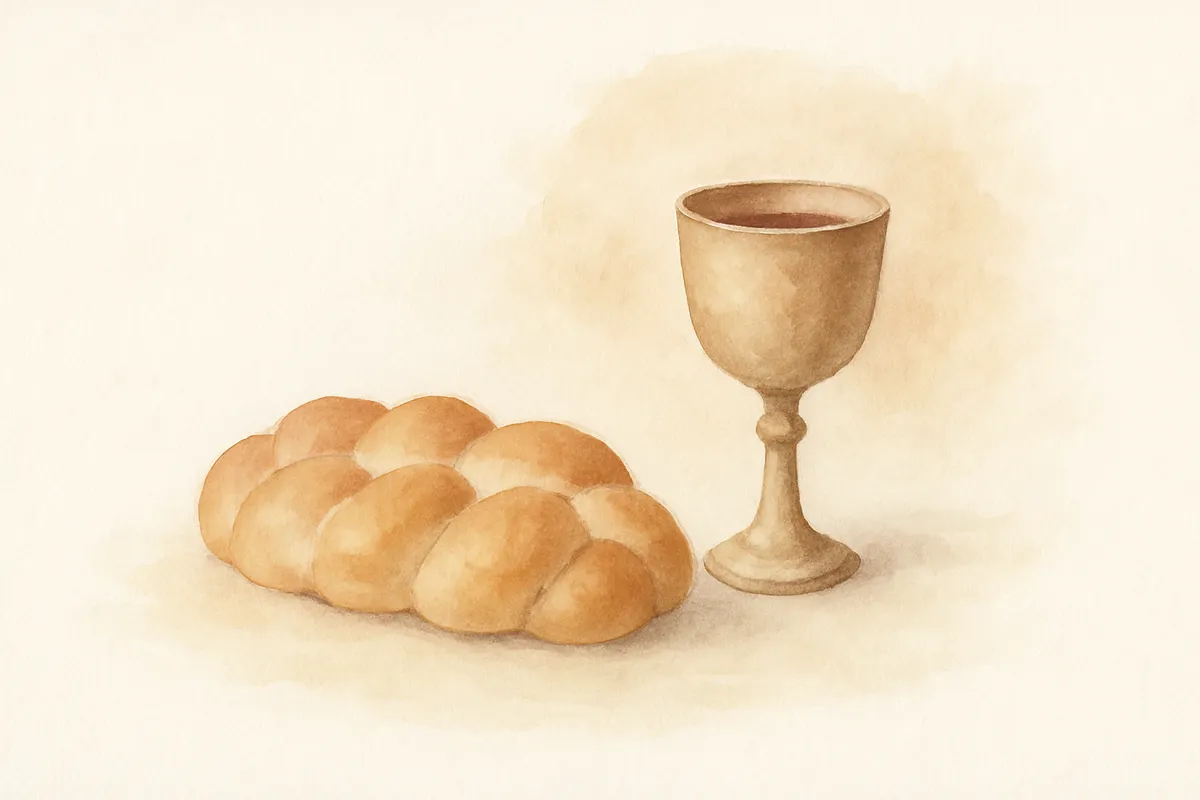
The Hebrew meal prayer is called Birkat HaMazon (ברכת המזון — "Grace After Meals"), a series of blessings recited after eating a meal that included bread. Its biblical basis comes from Deuteronomy 8:10, which commands: "וְאָכַלְתָּ וְשָׂבָעְתָּ וּבֵרַכְתָּ אֶת ה' אֱלֹהֶיךָ" — "and you eat and are satisfied, you are to bless the LORD your God for the good land that He has given you." [Deuteronomy 8:10]
Key Takeaways
- Birkat HaMazon is the primary Hebrew meal prayer, recited after eating a bread-based meal, and is biblically commanded.
- It consists of four main blessings, traditionally attributed to Moses, Joshua, David/Solomon, and the Rabbis of Yavneh.
- Before meals, a shorter blessing called HaMotzi is recited over bread.
- Additional prayers and psalms are added on Shabbat, holidays, and special occasions.
- The recitation over a cup of wine (kos shel bracha) is especially important at the Passover Seder.
Before the Meal: HaMotzi
Before eating bread, one recites HaMotzi (המוציא):
"בָּרוּךְ אַתָּה ה' אֱלֹהֵינוּ מֶלֶךְ הָעוֹלָם הַמּוֹצִיא לֶחֶם מִן הָאָרֶץ" "Blessed are You, LORD our God, King of the universe, who brings forth bread from the earth."
This blessing "covers" all the food eaten during the meal.
After the Meal: Birkat HaMazon
Biblical Source
The Torah explicitly commands thanksgiving after eating: "וְאָכַלְתָּ וְשָׂבָעְתָּ וּבֵרַכְתָּ" — "you shall eat, be satisfied, and bless." [Deuteronomy 8:10] The Rabbis derived from this verse that Birkat HaMazon is a Torah-level obligation (mitzvah d'oraita).
The Four Blessings
The Birkat HaMazon is composed of four blessings [from my training knowledge, supplemented by the liturgical sources retrieved]:
-
Birkat HaZan (ברכת הזן) — "Blessing of the One who feeds" — praises God for sustaining all creation with food. Traditionally attributed to Moses.
-
Birkat HaAretz (ברכת הארץ) — "Blessing of the Land" — thanks God for the Land of Israel, the Exodus, and the Torah. Attributed to Joshua.
-
Birkat Yerushalayim (ברכת ירושלים) — "Blessing of Jerusalem" — prays for the rebuilding of Jerusalem and restoration of the Davidic kingdom. Attributed to David and Solomon.
-
HaTov v'HaMeitiv (הטוב והמטיב) — "The One who is good and does good" — a Rabbinic addition instituted after the tragedy of Beitar (ca. 135 CE), expressing gratitude even amid suffering. Attributed to the Sages of Yavneh.
Zimmun: The Communal Call to Prayer
When three or more Jewish adults eat together, the prayer is preceded by Zimmun (זימון — "invitation"), a formal call-and-response introduction where one person leads the group in blessing together. With ten or more, God's name is added to the formula [Talmud, Berakhot 45a].
Special Additions
- On Shabbat: The paragraph Retzeh is added [Siddur Ashkenaz, Birkat HaMazon 3].
- On Rosh Chodesh and holidays: The paragraph Ya'aleh v'Yavo is inserted.
- At a house of mourning: Special comforting passages are added.
- At a wedding: Seven special blessings (Sheva Berakhot) are incorporated.
Birkat HaMazon at the Passover Seder
At the Passover Seder, Birkat HaMazon is recited over the Third Cup of Wine (כוס שלישי) — one of the four cups of the evening. The Haggadah instructs: "מוזגים כוס שלישי ומברכים ברכת המזון" — "Pour the third cup and recite Grace After Meals." [Pesach Haggadah, Barech]
Shorter Blessings for Other Foods
Not all foods require the full Birkat HaMazon. The Rabbis instituted shorter blessings:
- Me'ein Shalosh (מעין שלוש) — one paragraph — after wine, grapes, figs, pomegranates, olives, and dates, or grain products that aren't bread.
- Borei Nefashot (בורא נפשות) — a single brief blessing — after all other foods and drinks.
For personal guidance on which blessings apply to specific foods or situations, consult your local rabbi or posek.
Sources
People Also Asked
Want to dig deeper?