What is chabad chanukah blessings?
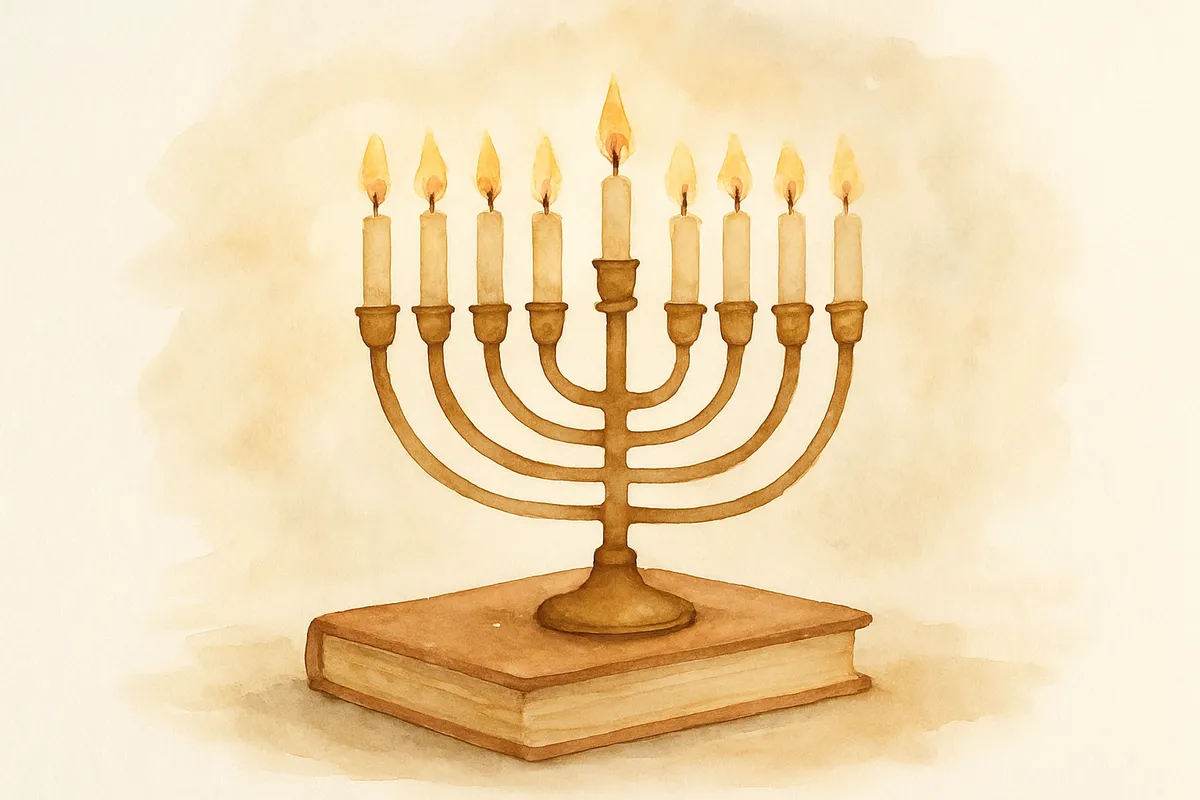
The Chabad tradition follows the standard Jewish blessings for Chanukah candle lighting, with some specific customs in their nusach (liturgical rite) and practice. On the first night, three blessings are recited; on subsequent nights, two blessings are recited. These blessings are rooted in Talmudic law [Shabbat 23a] and are universally observed across all Jewish communities, with minor variations in pronunciation and melody between Ashkenazic, Sephardic, and Chassidic traditions.
Key Takeaways
- Three blessings are recited on the first night; only the first two are said on subsequent nights.
- Chabad follows Nusach Ari (also called Nusach HaAri), the liturgical rite of the Arizal adopted by Chassidic communities.
- The blessings are recited before lighting the first candle, while the remaining candles are lit afterward.
- Chabad lights the Chanukiah in a specific order: adding one candle each night from right to left, but lighting from left to right (newest candle first).
- The hymn HaNerot Halalu and Maoz Tzur are recited or sung after lighting.
The Three Blessings (with Hebrew and Translation)
First Blessing — On the Mitzvah of Lighting
Hebrew:
בָּרוּךְ אַתָּה ה' אֱלֹהֵינוּ מֶלֶךְ הָעוֹלָם, אֲשֶׁר קִדְּשָׁנוּ בְּמִצְוֺתָיו, וְצִוָּנוּ לְהַדְלִיק נֵר חֲנֻכָּה
Translation: "Blessed are You, Lord our God, King of the universe, who has sanctified us with His commandments, and commanded us to kindle the Chanukah light."
Second Blessing — For the Miracles
Hebrew:
בָּרוּךְ אַתָּה ה' אֱלֹהֵינוּ מֶלֶךְ הָעוֹלָם, שֶׁעָשָׂה נִסִּים לַאֲבוֹתֵינוּ בַּיָּמִים הָהֵם בִּזְּמַן הַזֶּה
Translation: "Blessed are You, Lord our God, King of the universe, who performed miracles for our ancestors in those days at this time."
Third Blessing — Shehecheyanu (First Night Only)
Hebrew:
בָּרוּךְ אַתָּה ה' אֱלֹהֵינוּ מֶלֶךְ הָעוֹלָם, שֶׁהֶחֱיָנוּ וְקִיְּמָנוּ וְהִגִּיעָנוּ לַזְּמַן הַזֶּה
Translation: "Blessed are You, Lord our God, King of the universe, who has granted us life, sustained us, and enabled us to reach this occasion."
Talmudic Foundation
The Talmud [Shabbat 23a] establishes the obligation to recite a blessing over the Chanukah lights: "What blessing does one recite? 'Who sanctified us with His commandments and commanded us to kindle the Chanukah light.'"
The question of where the Torah-level source is for this rabbinic commandment is answered in the Talmud as deriving from Deuteronomy 17:11 — the general command to follow rabbinic rulings.
Specific Chabad Customs
Nusach Ari
Chabad uses Nusach HaAri, based on the Kabbalistic siddur of Rabbi Yitzchak Luria (the Arizal), later codified by Rabbi Shneur Zalman of Liadi (the first Chabad Rebbe, known as the Alter Rebbe) in his Shulchan Aruch HaRav.
Placement of the Chanukiah
- Chabad places the chanukiah (Chanukah menorah) at the left side of the doorway, opposite the mezuzah, based on [Shulchan Aruch, Orach Chaim 671:7].
- In practice today, due to safety concerns, many place it on a windowsill facing the public domain.
Order of Lighting
- Candles are added from right to left each night.
- Lighting begins from the leftmost (newest) candle and proceeds to the right — so the newest miracle is honored first [Shulchan Aruch HaRav, Orach Chaim 676:5].
The Shamash
After reciting the blessings and lighting the candles, the shamash (helper candle) is also lit and placed in its holder. This candle ensures that if one accidentally benefits from the Chanukah lights, it is attributed to the shamash, not the mitzvah candles.
HaNerot Halalu — After Lighting
Immediately after lighting, Chabad recites HaNerot Halalu, a declaration explaining the purpose of the lights:
"These lights are holy, and we are not permitted to make ordinary use of them..."
This text appears in Tractate Sofrim (20:6) and is universally recited in all traditions.
Maoz Tzur
After HaNerot Halalu, it is customary in Chabad (and most Ashkenazic communities) to sing Maoz Tzur ("Rock of Ages"), a medieval liturgical poem recounting Jewish salvation from various oppressors including Egypt, Babylon, Persia, and Greece.
For personal guidance on Chanukah practice and any specific questions about your local custom, consult your local rabbi or posek.
Sources
People Also Asked
Want to dig deeper?