What is aliyah jewish prayer?
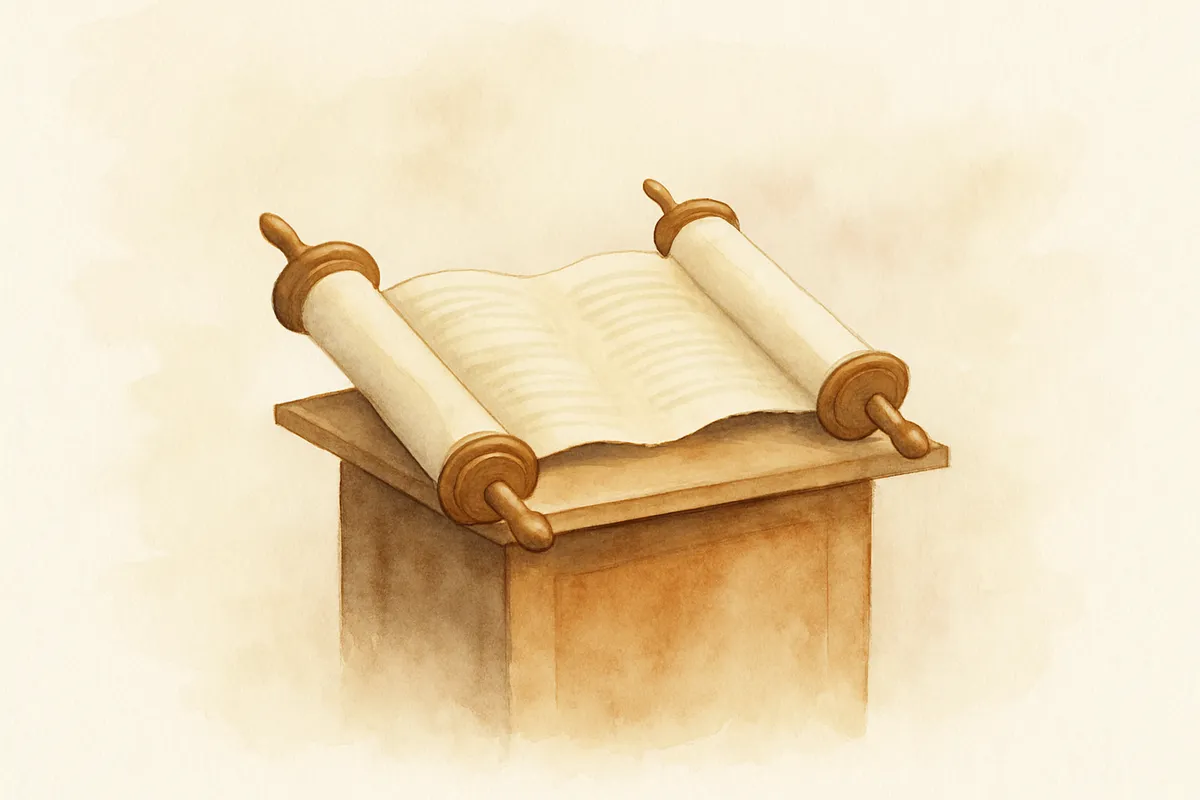
The term aliyah (עֲלִיָּה) in the context of Jewish prayer refers to the honor of being called up to the Torah during synagogue services to recite blessings before and after a portion of the Torah is read aloud. It is one of the most central ritual honors in Jewish communal worship, symbolizing a personal and communal connection to the Torah.
Key Takeaways
- Aliyah literally means "going up" in Hebrew, reflecting the physical act of ascending to the bimah (reading platform).
- The person called up recites a blessing before and after the Torah portion is chanted by the ba'al koreh (Torah reader).
- The Torah is divided into weekly portions (parashot), and each is further divided into sections, with a minimum of three aliyot on weekdays and up to seven on Shabbat.
- Receiving an aliyah is considered a great honor and is often given to mark significant life events.
- There is a separate, modern meaning of aliyah — immigration to the Land of Israel — but in a prayer/synagogue context, it specifically refers to being called to the Torah.
The Meaning of Aliyah
The word aliyah (עֲלִיָּה) comes from the Hebrew root ayin-lamed-hey (ע-ל-ה), meaning "to go up" or "to ascend."
This ascent is both physical — walking up to the elevated bimah where the Torah scroll rests — and spiritual, symbolizing elevation through engagement with God's word.
The Structure of an Aliyah
When called up, the honoree:
- Approaches the bimah and touches the Torah scroll with a tallit (prayer shawl) or the Torah's mantle.
- Recites the opening blessing (Birkat HaTorah):
"Barchu et Adonai hamevorach..." — "Bless the Lord who is blessed..."
- Listens as the ba'al koreh (designated reader) chants the Torah portion aloud in the traditional cantillation (trop).
- Recites the closing blessing, thanking God for giving Israel the Torah of truth.
How Many Aliyot Are There?
The number of aliyot varies by day [Megillah 21a]:
| Day | Number of Aliyot | |---|---| | Monday / Thursday | 3 | | Rosh Chodesh / Chol HaMoed | 4 | | Yom Tov | 5 | | Yom Kippur | 6 | | Shabbat | 7 (plus maftir) |
The Talmud [Megillah 21a] derives these numbers from rabbinic tradition and connects them to the sanctity of each day.
Who Receives an Aliyah?
Traditionally, aliyot are distributed according to both obligation and honor:
- The first aliyah (Rishon) is traditionally given to a Kohen (descendant of the priestly tribe).
- The second (Sheni) goes to a Levi (descendant of the Levitical tribe).
- The remaining aliyot go to Yisraelim (all other Jews).
This order is a rabbinic enactment "mipnei darkei shalom" — "for the sake of peace" [Gittin 59b] — to avoid disputes over precedence.
Special Occasions for Receiving an Aliyah
It is customary to honor someone with an aliyah on occasions such as:
- A bar/bat mitzvah
- The Shabbat before a wedding (Aufruf)
- Yahrtzeit (anniversary of a loved one's passing)
- Recovery from illness
- After surviving danger (Birkat HaGomel is recited after the aliyah)
The Deeper Spiritual Significance
The act of being called up to the Torah echoes the verse in [Deuteronomy 11:13]:
"וְהָיָה אִם־שָׁמֹעַ תִּשְׁמְעוּ אֶל־מִצְוֺתַי" — "And it shall be, if you diligently listen to My commandments... to love the Lord your God and to serve Him with all your heart and all your soul."
The aliyah embodies this ideal — a public declaration of devotion to Torah, performed before the entire congregation.
The Sefer HaChinuch (Mitzvah 430) notes that public Torah reading elevates the entire community, ensuring that even those unfamiliar with Torah learning are exposed to its wisdom regularly.
Aliyah and Prayer: The Connection to Et Ratzon
In [Psalms 69:14], David writes:
"וַאֲנִי תְפִלָּתִי־לְךָ יְהֹוָה עֵת רָצוֹן" — "As for me, may my prayer to You, O Lord, be at an acceptable time (et ratzon)."
Rabbinic tradition [Berachot 8a] teaches that the moment of public Torah reading — the very moment of an aliyah — is considered an et ratzon, a time of divine favor and receptivity to prayer. This is why personal prayers and petitions are often offered around the time of an aliyah.
Women and Aliyot
This is an area of ongoing halachic discussion:
- Traditional/Orthodox communities generally do not call women for aliyot, based on rulings in the Talmud [Megillah 23a] and later poskim (legal authorities), primarily out of concern for kevod hatzibbur (honor of the congregation).
- Conservative and Reform communities typically do call women for aliyot, relying on dissenting opinions and changed social circumstances.
- Rav Moshe Feinstein and most Orthodox poskim maintain the traditional practice [Igrot Moshe, Orach Chaim 4:49].
For personal guidance on halachic practice regarding aliyot, consult your local rabbi or posek.
Sources
People Also Asked
Want to dig deeper?