What are the rules of passover food?
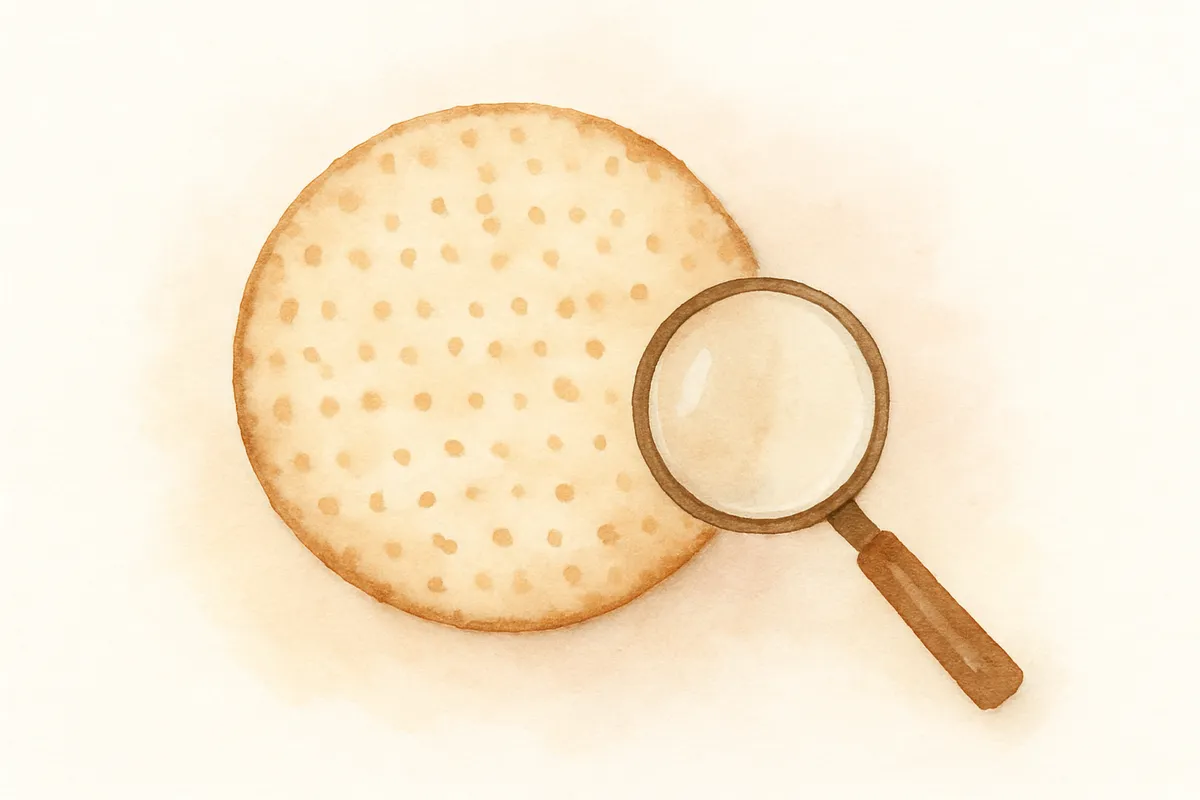
The Rules of Passover Food
The central Passover food laws revolve around the complete prohibition of chametz (leavened grain products) during the seven days of Pesach, along with the positive commandment to eat matzah (unleavened bread). These laws are derived directly from the Torah and elaborated extensively in rabbinic literature and halachic codes.
Key Takeaways
- Chametz (any leavened product from the five grains) is forbidden to eat, own, or benefit from during Pesach.
- Matzah must be eaten at the Seder on the first night; it is permitted (but not required) throughout the rest of the holiday.
- Chametz must be removed from one's home before Pesach begins, and any remaining chametz is typically sold through a rabbi.
- Ashkenazic Jews traditionally also avoid kitniyot (legumes, rice, corn), though this custom is not universally held.
- One is obligated to discuss the laws and miracles of the Exodus throughout the Seder night.
The Biblical Foundation
The Torah is explicit about the Pesach food laws. As stated in Deuteronomy 16:3:
"לֹא־תֹאכַל עָלָיו חָמֵץ שִׁבְעַת יָמִים תֹּאכַל־עָלָיו מַצּוֹת לֶחֶם עֹנִי" "You shall not eat chametz with it; for seven days you shall eat matzot, the bread of affliction."
[Deuteronomy 16:3]
Similarly, in Exodus 13:7:
"מַצּוֹת יֵאָכֵל אֵת שִׁבְעַת הַיָּמִים וְלֹא־יֵרָאֶה לְךָ חָמֵץ" "Matzot shall be eaten for seven days; no chametz shall be seen in your possession."
[Exodus 13:7]
These two obligations — removing chametz and eating matzah — form the backbone of all Passover food law.
What is Chametz?
Chametz refers to any food product made from one of the five grains (wheat, barley, spelt, oats, rye) that has come into contact with water and been allowed to ferment/rise for more than 18 minutes.
- It is forbidden to eat, own, benefit from, or even keep chametz in one's possession during Pesach.
- Before Pesach, one performs bedikat chametz (searching for chametz) and biyur chametz (burning/destroying chametz).
- Chametz that was owned by a Jew over Pesach becomes permanently forbidden even after the holiday — this is called chametz she'avar alav haPesach.
Selling Chametz — Mechirat Chametz
Because destroying all chametz can cause significant financial loss, the rabbis instituted the practice of mechirat chametz — legally selling one's chametz to a non-Jew before Pesach through a rabbi acting as agent. This is a fully binding halachic transaction. [Shulchan Aruch, Orach Chayim 448]
The Obligation of Matzah
- Eating matzah on the first night of Pesach (two nights in the Diaspora) is a biblical commandment [Exodus 12:18].
- The matzah must be made from one of the five grains and baked under strict supervision — known as matzah shmurah (guarded matzah), watched from the time of harvesting or at minimum from the time of grinding.
- Eating matzah during the rest of Pesach is permitted but not obligatory according to most authorities.
The Seder Night Obligation
The Shulchan Aruch [Orach Chayim 481:2] rules:
"חַיָּב אָדָם לַעֲסֹק בְּהִלְכוֹת הַפֶּסַח וּבִיצִיאַת מִצְרַיִם וּלְסַפֵּר בַּנִּסִּים וּבַנִּפְלָאוֹת שֶׁעָשָׂה הַקָּדוֹשׁ בָּרוּךְ הוּא לַאֲבוֹתֵינוּ עַד שֶׁתַּחְטְפֶנּוּ שֵׁינָה" "A person is obligated to engage in the laws of Pesach and the Exodus from Egypt, and to recount the miracles and wonders that God performed for our ancestors until sleep overtakes him."
The Seder plate includes specific foods with symbolic meaning:
- Maror (bitter herbs) — to recall the bitterness of slavery
- Charoses — a sweet paste symbolizing the mortar used by the slaves
- Karpas — a vegetable dipped in salt water
- Zeroa — a roasted shank bone recalling the Paschal lamb
- Beitzah — a roasted egg recalling the Festival offering
- Four cups of wine — representing the four expressions of redemption
Kitniyot — The Ashkenazic Custom
Kitniyot (legumes, rice, corn, beans, lentils, mustard, and by some opinions, quinoa and peanuts) are not biblically forbidden as chametz. However:
- Ashkenazic Jews have a long-standing custom (minhag) to forbid eating kitniyot on Pesach, because these foods resemble or are processed similarly to grain products. [Rama, Orach Chayim 453:1]
- Sephardic Jews generally permit kitniyot, though they follow other stringencies.
- In recent years, many Ashkenazic authorities have permitted kitniyot oil and foods cooked in kitniyot for Sephardic Jews eating at Ashkenazic tables, though this is subject to debate.
Preparing to Learn the Laws — 30 Days Before
The Shulchan Aruch [Orach Chayim 429:1] rules:
"שׁוֹאֲלִין בְּהִלְכוֹת פֶּסַח קֹדֶם לַפֶּסַח שְׁלֹשִׁים יוֹם" "One inquires about and studies the laws of Pesach thirty days before Pesach."
This derives from a teaching in the Talmud [Megillah 32a] that Moshe Rabbeinu instituted that Israel should study the laws of each holiday in its season:
"משֶׁה תִּיקֵּן לָהֶם לְיִשְׂרָאֵל שֶׁיְּהוּ שׁוֹאֲלִין וְדוֹרְשִׁין בְּעִנְיָנוֹ שֶׁל יוֹם — הִלְכוֹת פֶּסַח בְּפֶסַח" "Moshe established for Israel that they should inquire and expound on the subject of the day — the laws of Pesach on Pesach."
Passover-Safe Foods — Practical Summary
| Category | Status | |---|---| | Matzah (plain, supervised) | ✅ Required on Seder night | | Wine / grape juice | ✅ Required (4 cups) | | Meat, fish, eggs, fruits, vegetables | ✅ Permitted (with checking) | | Any leavened bread, pasta, beer | ❌ Forbidden (chametz) | | Chametz-derived products (
Sources
People Also Asked
Want to dig deeper?