What are the rules of jewish dairy?
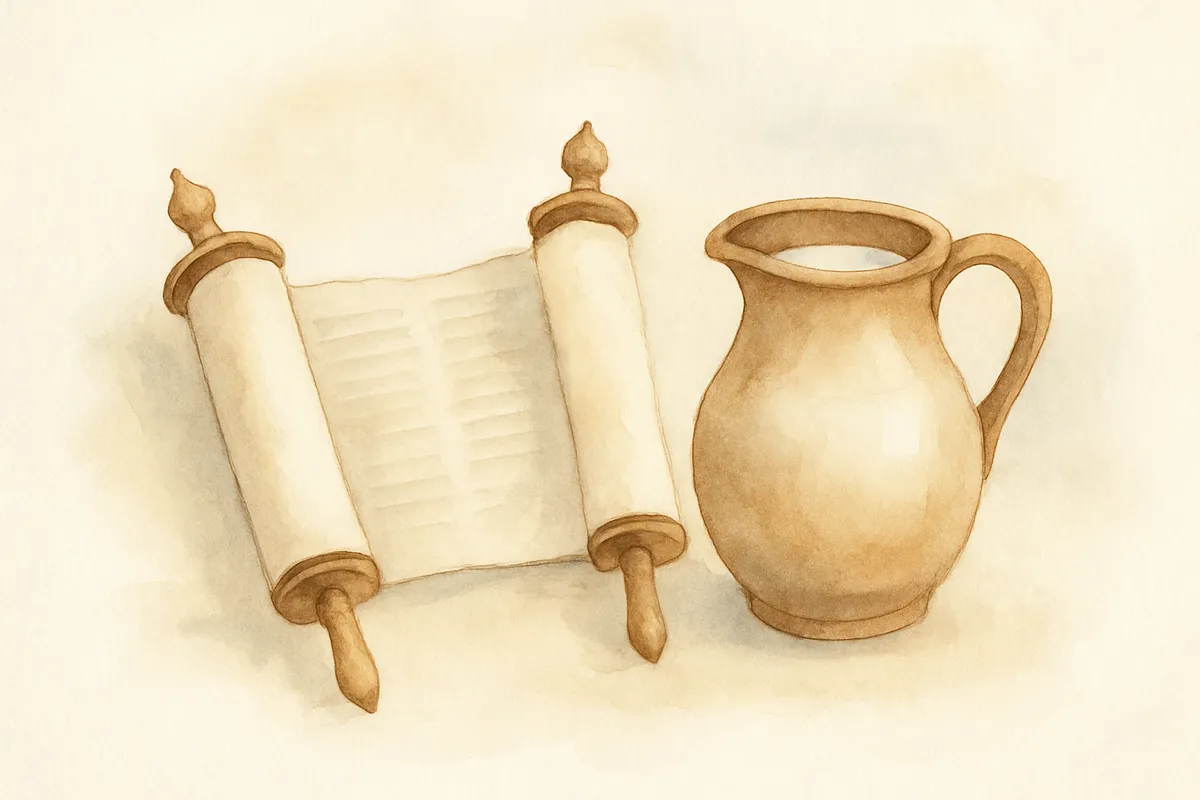
The rules of Jewish dairy (chalav — milk/dairy) are part of the broader system of kashrut (Jewish dietary law). The core principles are: (1) dairy may only come from kosher animals, (2) dairy and meat may never be mixed or eaten together, and (3) dairy foods require their own separate utensils. These rules derive from the Torah and are elaborated extensively in the Talmud and later halachic codes.
Key Takeaways
- Dairy must come from a kosher animal — one that both chews its cud and has split hooves [Leviticus 11:1-4].
- Mixing meat and dairy is forbidden by Torah law, derived from the verse "do not boil a kid in its mother's milk" (Exodus 23:19).
- Separate utensils must be maintained for dairy and meat foods.
- A waiting period is required between eating meat and then dairy; opinions range from 1 to 6 hours.
- The principle underlying all kashrut is kedushah (holiness) — separation and sanctification as a people [Leviticus 20:25-26].
1. The Source of Kashrut and Dairy
The entire system of dietary laws flows from Leviticus 11, where God commands Israel:
"זֹ֤את הַֽחַיָּה֙ אֲשֶׁ֣ר תֹּאכְל֔וּ" — "These are the living things which you may eat" [Leviticus 11:2]
The overarching purpose is stated in Leviticus 20:25-26:
"וִהְיִיתֶם לִי קְדֹשִׁים כִּי קָדוֹשׁ אֲנִי יְהֹוָה" — "You shall be holy to Me, for I the LORD am holy, and I have set you apart from the nations to be Mine."
Dairy law is one expression of this broader calling to kedushah (holiness) through disciplined, intentional eating.
2. Dairy Must Come From a Kosher Animal
Only milk from a kosher species is permitted. A kosher land animal must both:
- Chew its cud (maalat gerah)
- Have fully split hooves (mafrisat parsah)
[Leviticus 11:3] — "כֹּל מַפְרֶסֶת פַּרְסָה וְשֹׁסַעַת שֶׁסַע פְּרָסֹת מַעֲלַת גֵּרָה" — "Whatever has a split hoof and chews the cud, among the animals, that you may eat."
In practice, this means:
- ✅ Cow, goat, and sheep milk are permitted
- ❌ Pig, horse, or camel milk is forbidden [Leviticus 11:4]
3. The Prohibition of Mixing Meat and Dairy
The Torah states three times: "לֹא תְבַשֵּׁל גְּדִי בַּחֲלֵב אִמּוֹ" — "You shall not boil a kid in its mother's milk" [Exodus 23:19, 34:26; Deuteronomy 14:21].
The Talmud [Chullin 115b] derives three separate prohibitions from these three repetitions:
- Cooking meat and milk together is forbidden
- Eating a mixture of meat and milk is forbidden
- Deriving benefit from such a mixture is forbidden
Poultry and dairy (basar b'chalav — flesh in milk): By Torah law, the prohibition applies only to meat of mammals. However, the Rabbis extended the prohibition to poultry as a rabbinic fence (gezeirah), since poultry looks like meat [Chullin 104a, Rashi ad loc.].
4. Separate Utensils
Because cooking meat and dairy together is forbidden, distinct sets of dishes, pots, and utensils must be maintained for each. This is codified in the Shulchan Aruch [Yoreh De'ah 89-93, Rabbi Yosef Karo, 16th century].
Key points:
- A dairy utensil used for meat (or vice versa) may render food forbidden
- If a dairy spoon falls into a hot meat pot, a rabbi (posek) must be consulted — the ruling depends on the ratio of food, temperature, and other factors
5. Waiting Between Meat and Dairy
After eating meat, one must wait before eating dairy. The opinions among the major halachic authorities are:
| Authority | Waiting Period | |---|---| | Rambam (Maimonides) | 6 hours [Mishneh Torah, Hilchot Ma'achalot Asurot 9:28] | | Rashi / Tosafot | Some say 1 hour or after the next meal [Chullin 105a] | | Shulchan Aruch | 6 hours (accepted Sephardic practice) | | Rama (Ashkenazic ruling) | The custom became 6 hours for most Ashkenazim as well |
The 6-hour standard is the dominant accepted practice for both Ashkenazim and Sephardim today.
After eating dairy, the waiting requirement before meat is much more lenient — one need only:
- Rinse/wash one's mouth
- Check that no dairy remains between the teeth
- (Some authorities require waiting one hour after hard cheeses)
6. Chalav Yisrael — Supervised Milk
A separate layer of dairy law involves supervision of the milking process. The Talmud [Avodah Zarah 35b] requires that milk be supervised by a Jew (chalav Yisrael) to ensure no non-kosher animal's milk was mixed in.
- Rabbi Moshe Feinstein (20th century, major Ashkenazic posek) ruled that in countries with government dairy regulation (like the USA), commercially certified milk is halachically acceptable and called it chalav stam [Igrot Moshe, Yoreh De'ah 1:49].
- Many Sephardic authorities and Chassidic communities maintain the stricter chalav Yisrael standard.
7. The Spiritual Dimension
The Torah's call in Leviticus 20:26 — to havdalah (separation) — is not merely technical. Ramban (Nachmanides) teaches that kashrut disciplines the body and refines the soul, preventing moral coarsening. Sefer HaChinuch (Mitzvah 73) explains that forbidden foods damage the soul's sensitivity even if one does not consciously perceive it.
Keeping dairy laws is thus an act of sanctification — "וִהְיִיתֶם קְדֹשִׁים כִּי קָדוֹשׁ אָנִי" — "You shall be holy, for I am holy" [Leviticus 11:45].
For personal guidance on specific kashrut questions — including utensil issues, accidental mixtures, or dairy supervision standards — consult your local rabbi or posek.
Sources
People Also Asked
Want to dig deeper?