What are the rules of israelite sabbath?
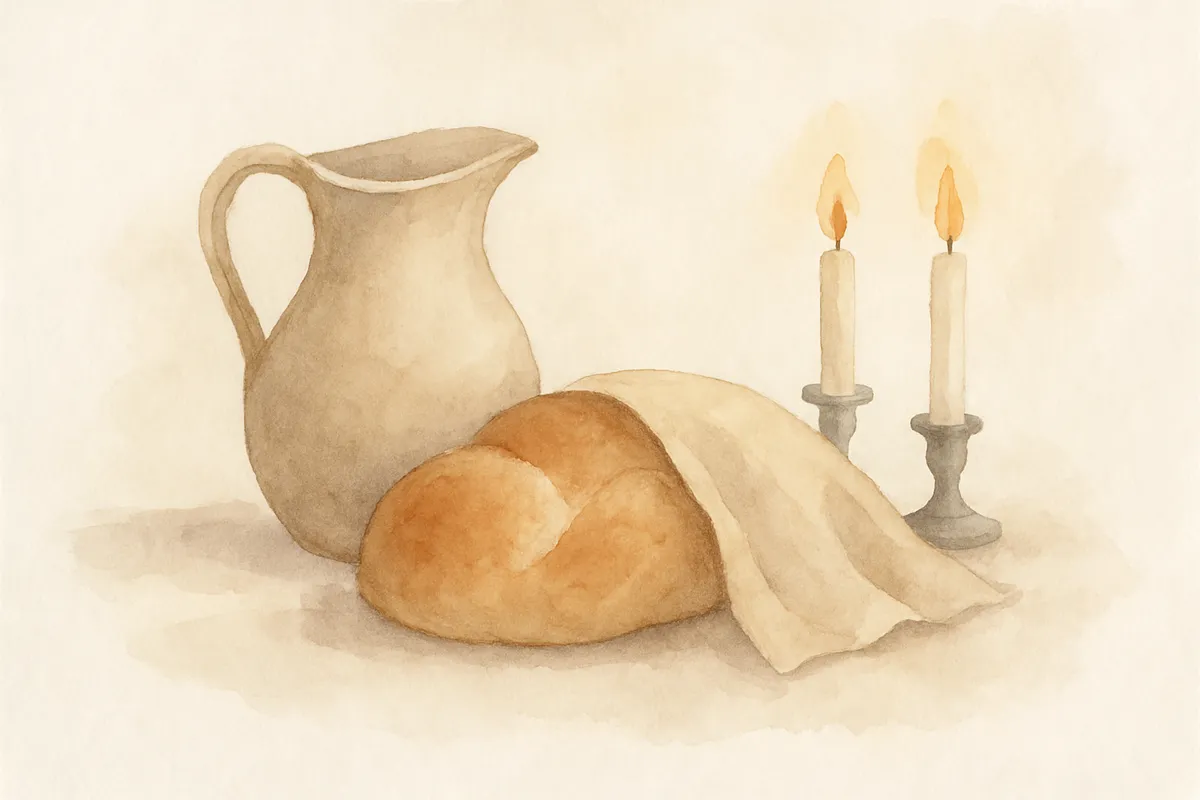
The Sabbath (Shabbat) is the cornerstone of Jewish observance, commanded directly by God in the Torah and elaborated extensively by rabbinic tradition. At its core, Shabbat requires ceasing from creative labor (melachah) from Friday sunset to Saturday nightfall, sanctifying the day through rest, prayer, and delight — in imitation of God's own rest after creation.
Key Takeaways
- Shabbat is biblically mandated in both Exodus and Deuteronomy, rooted in God's rest on the seventh day of creation.
- The primary prohibition is melachah (creative/purposeful work), derived from 39 categories of labor used in building the Tabernacle.
- Rabbinic law adds extensive safeguards (gezeirot) around the biblical prohibitions.
- Shabbat has both a negative dimension (refraining from work) and a positive dimension (honor, delight, prayer).
- The laws of Shabbat are famously described as "mountains hanging by a thread" — vast in scope from minimal biblical text.
The Biblical Foundation
The Creation Narrative
The origin of Shabbat is in the creation story: "וַיְבָרֶךְ אֱלֹהִים אֶת יוֹם הַשְּׁבִיעִי וַיְקַדֵּשׁ אֹתוֹ" — "God blessed the seventh day and sanctified it, because on it He rested from all His work" [Genesis 2:1-3].
This establishes Shabbat as cosmic in nature — not merely a human institution, but woven into the fabric of creation itself.
The Two Versions of the Commandment
The Fourth Commandment appears twice in the Torah, with a significant difference:
-
Exodus 20:8 uses the word זָכוֹר (Zachor — "Remember"): "זָכוֹר אֶת יוֹם הַשַּׁבָּת לְקַדְּשׁוֹ" — "Remember the Sabbath day to sanctify it." This points to the positive obligations of Shabbat (Kiddush, joy, honor).
-
Deuteronomy 5:12 uses the word שָׁמוֹר (Shamor — "Guard/Observe"): "שָׁמוֹר אֶת יוֹם הַשַּׁבָּת לְקַדְּשׁוֹ" — "Guard the Sabbath day to sanctify it." This points to the prohibitions (refraining from work).
The Talmud teaches that both words were spoken by God simultaneously [Shevuot 20b], indicating that the positive and negative aspects are inseparable.
The Explicit Prohibition of Fire
A specific biblical prohibition singles out kindling fire: "לֹא תְבַעֲרוּ אֵשׁ בְּכֹל מֹשְׁבֹתֵיכֶם בְּיוֹם הַשַּׁבָּת" — "You shall not kindle fire in any of your dwellings on the Sabbath day" [Exodus 35:3]. The rabbis derived from this that fire was mentioned separately to teach important principles about the nature of Shabbat prohibitions.
The Scope of "Melachah" — Prohibited Labor
The 39 Categories
The Talmud identifies 39 categories of prohibited labor (avot melachot), derived from the types of work performed in building the Mishkan (Tabernacle). These include:
- Agricultural work: plowing, planting, reaping, threshing, winnowing, grinding, sifting, kneading, baking
- Textile work: shearing, bleaching, dyeing, spinning, weaving, tying, sewing
- Construction work: building, demolishing, writing, erasing
- Other: trapping, slaughtering, kindling fire, extinguishing fire, carrying in a public domain
[Mishnah Shabbat 7:2]
"Mountains Hanging by a Thread"
The Mishnah Chagigah famously describes the laws of Shabbat in these terms:
"הִלְכוֹת שַׁבָּת... כַּהֲרָרִים תְּלוּיִם בִּסְעָרָה, מִקְרָא מְמֻעָט וַהֲלָכוֹת מְרֻבּוֹת" — "The laws of Shabbat... are like mountains hanging by a thread — little Scripture and many laws." [Mishnah Chagigah 1:8]
This means that the biblical text gives relatively few explicit laws, yet an enormous body of halacha was derived and developed from it — a testament to the depth of the Oral Torah tradition.
Rabbinic Enactments
Secondary Prohibitions (Shevut)
The rabbis added protective fences (gezeirot) around Torah law, prohibiting activities that might lead to a Torah violation. For example:
- Handling muktzeh (objects designated for forbidden use, like tools or money)
- Speaking about business matters on Shabbat
- Climbing trees or swimming
What Continues on Its Own (Grama)
The Shulchan Aruch rules that processes initiated before Shabbat that continue automatically are generally permitted: "It is permitted to open water to a garden, and it flows on through the Sabbath" [Shulchan Aruch, Orach Chayim 252:5]. This illustrates the principle that one is not commanded regarding the "rest of one's tools" — only one's own active labor is forbidden.
The Positive Obligations of Shabbat
Kavod and Oneg — Honor and Delight
Beyond abstaining from work, Shabbat carries positive mitzvot:
- Kiddush — sanctification over wine on Friday night and Shabbat morning
- Two loaves of challah (lechem mishneh) at each meal
- Wearing special Shabbat clothing
- Three meals on Shabbat
- Shabbat candles lit before sunset
The Rambam (Maimonides) applies these principles even to Yom Tov: "Just as it is a mitzvah to honor Shabbat and delight in it, so too all Yom Tov [holidays]" [Mishneh Torah, Laws of Rest on a Holiday 6:16], showing that Shabbat is the paradigm for all sacred time.
Who Is Obligated
The commandment applies to: oneself, one's sons and daughters, servants, animals, and the stranger within one's gates [Exodus 20:10, Deuteronomy 5:14] — a remarkably universal scope that the Deuteronomy version grounds in the Exodus from Egypt, emphasizing empathy for the worker.
When Shabbat Is Overridden
Pikuach Nefesh — Saving Life
Virtually all Shabbat prohibitions are suspended when human life is at risk. The principle "vechay bahem" — "and you shall live by them" [Leviticus 18:5] — teaches that the Torah was given to live by, not to die by [Yoma 85b].
Summary of the Structure of Shabbat Law
| Category | Examples | |---|---| | Biblical prohibitions | 39 melachot, carrying in public domain | | Rabbinic prohibitions | Muktzeh, business speech, uvdin d'chol (weekday activities) | | Positive obligations | Kiddush, Havdalah, three meals, candles | | Overrides | Saving life (pikuach nefesh), circumcision |
For personal guidance on specific Shabbat questions, consult your local rabbi or posek.
Sources
People Also Asked
Want to dig deeper?