What are the Passover food rules?
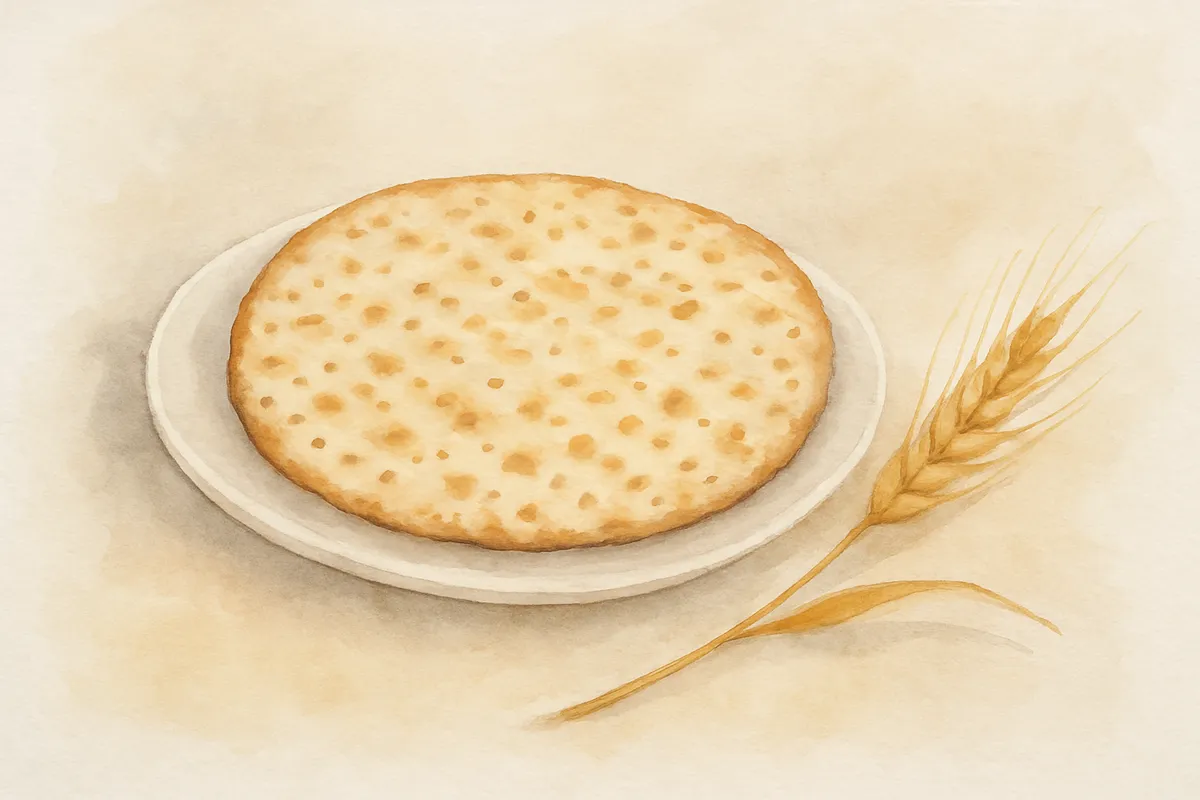
The Passover food rules center on one primary prohibition: chametz (leavened food) is completely forbidden throughout the seven (or eight) days of Passover, and matzah (unleavened bread) is eaten in its place. This commemorates the hasty Exodus from Egypt, when the Israelites had no time for their bread to rise. The Torah commands, "You shall eat matzot, the bread of affliction, for in haste you left Egypt" [Deuteronomy 16:3].
Key Takeaways
- Chametz (leavened products from the five grains: wheat, barley, spelt, oats, rye) is completely forbidden on Passover — not just eating, but owning it.
- Matzah (unleavened bread) must be eaten at the Seder; the rest of Passover one is exempt from eating it but still forbidden from chametz.
- All chametz must be sold, burned, or nullified before Passover begins.
- Kitniyot (legumes and rice) are forbidden for Ashkenazic Jews but permitted for Sephardic Jews — a major area of halachic difference.
- On Seder night, one is obligated to discuss the laws and miracles of Passover until sleep overtakes them [Shulchan Aruch, Orach Chayim 481:2].
The Core Prohibition: Chametz
Chametz refers to any food product made from the five grains — wheat, barley, spelt, oats, and rye — that has been allowed to ferment or leaven. The Torah states plainly:
"מַצּוֹת יֵאָכֵל אֵת שִׁבְעַת הַיָּמִים וְלֹא יֵרָאֶה לְךָ חָמֵץ" — "Matzot shall be eaten for seven days, and no chametz shall be seen in your possession" [Exodus 13:7].
The prohibition is unusually severe: the Torah forbids not just eating chametz, but even owning it during Passover. Chametz found in one's possession violates the prohibition of bal yeira'eh (it shall not be seen) and bal yimatzei (it shall not be found).
How Chametz Is Removed
There are several methods the halacha prescribes:
- Bedikat chametz (bedikat = searching): The night before Passover, one searches the home by candlelight for any remaining chametz.
- Biur chametz (burning chametz): The morning before Passover, found chametz is burned.
- Bitul chametz (nullification): A verbal declaration nullifying any chametz one may have unknowingly missed.
- Mechirat chametz (selling chametz): Chametz that one wishes to keep (e.g., whiskey) is formally sold to a non-Jew through a rabbi before Passover.
The Positive Commandment: Matzah
Eating matzah on the Seder night is a Torah-level obligation. The Torah connects it directly to the Exodus:
"וְהִגַּדְתָּ לְבִנְךָ בַּיּוֹם הַהוּא לֵאמֹר בַּעֲבוּר זֶה עָשָׂה יְהֹוָה לִי בְּצֵאתִי מִמִּצְרָיִם" — "And you shall tell your son on that day: it is because of this that God did for me when I left Egypt" [Exodus 13:8].
The Shulchan Aruch rules that one is obligated to engage in the laws of Passover and the story of the Exodus on Seder night until sleep overtakes him [Shulchan Aruch, Orach Chayim 481:2].
Kitniyot: The Ashkenazic/Sephardic Divide
A major area of dispute concerns kitniyot — legumes, rice, corn, and related items:
- Ashkenazic Jews follow the medieval minhag (custom) to forbid kitniyot on Passover, as these foods were grown or processed near grain and could cause confusion.
- Sephardic Jews permit kitniyot on Passover, as they were never included in the Biblical or Rabbinic prohibition of chametz.
In recent years, some Ashkenazic poskim (legal decisors) have been more lenient about certain kitniyot-derived products, particularly for those with health needs. This remains an active halachic discussion.
Preparing 30 Days in Advance
The Talmud records that Moses established a practice of studying the laws relevant to each holiday 30 days before it arrives:
"משה תיקן להם לישראל שיהו שואלין ודורשין בענינו של יום הלכות פסח בפסח" — "Moses instituted for Israel that they should inquire and expound on the topic of the day — the laws of Passover on Passover" [Megillah 32a].
The Shulchan Aruch codifies this: "We inquire about the laws of Passover thirty days before Passover" [Shulchan Aruch, Orach Chayim 429:1].
Summary of Key Food Rules
| Category | Rule | |----------|------| | Chametz (leavened grain) | Forbidden to eat, own, or benefit from | | Matzah | Required at Seder; permitted all Passover | | Kitniyot | Forbidden (Ashkenazim); permitted (Sephardim) | | Meat from Seder sacrifice | Must not remain until morning [Deut. 16:4] | | Chametz owned during Passover | Forbidden even after Passover (rabbinic penalty) |
For personal guidance on specific Passover food questions — especially regarding medications, processed foods, or kitniyot — consult your local rabbi or posek.
Sources
People Also Asked
Want to dig deeper?