What are common Jewish blessings?
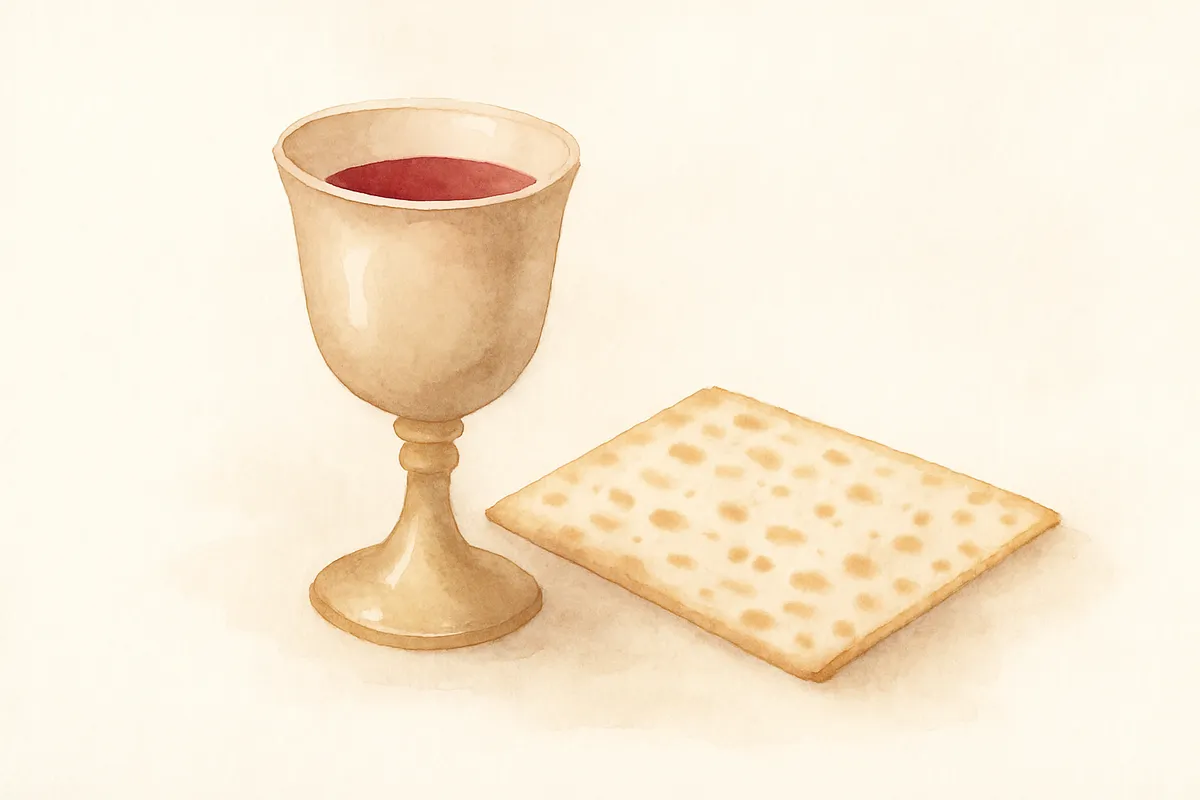
Jewish blessings (brachot, singular: bracha) are formalized expressions of gratitude and acknowledgment of God's role in daily life. The standard formula for most blessings opens with "Baruch Atah Adonai Eloheinu Melech HaOlam" — "Blessed are You, Lord our God, King of the Universe" — followed by language specific to the occasion.
Key Takeaways
- All standard Jewish blessings share a common opening formula acknowledging God as King of the Universe.
- The Talmud establishes an obligation to recite 100 blessings every day [Menachot 43b].
- Blessings cover virtually every area of life — food, prayer, Torah study, lifecycle events, and natural phenomena.
- Blessings serve as a spiritual practice of mindfulness, transforming ordinary acts into sacred moments.
- The mitzvah (commandment) of prayer itself is rooted in the verse "to serve Him with all your hearts" [Sifrei, cited in Ramban, Sefer HaMitzvot].
The Obligation to Recite Blessings
The Talmud records: "תַּנְיָא, הָיָה רַבִּי מֵאִיר אוֹמֵר: חַיָּיב אָדָם לְבָרֵךְ מֵאָה בְּרָכוֹת בְּכׇל יוֹם" — "It was taught: Rabbi Meir would say, a person is obligated to recite one hundred blessings every day, as it says, 'And now, Israel, what does the Lord your God ask of you?'" [Menachot 43b].
This teaches that blessing God is not merely optional — it is a structured, daily obligation woven into Jewish life.
Categories of Common Blessings
1. Torah Study
Before learning Torah, one recites:
"בָּרוּךְ אַתָּה יְהֹוָה אֱלֹהֵינוּ מֶלֶךְ הָעוֹלָם אֲשֶׁר קִדְּשָׁנוּ בְּמִצְוֹתָיו וְצִוָּנוּ לַעֲסֹק בְּדִבְרֵי תוֹרָה" "Blessed are You, Lord our God, King of the Universe, who has sanctified us with His commandments and commanded us to engage in words of Torah." [Siddur Ashkenaz, Shacharit, Torah Blessings]
2. Blessings Over Food (Birkot HaNehenin)
Different foods have specific blessings:
- HaMotzi — over bread: "...הַמּוֹצִיא לֶחֶם מִן הָאָרֶץ" ("who brings forth bread from the earth")
- HaGefen — over wine: "...בּוֹרֵא פְּרִי הַגָּפֶן" ("who creates the fruit of the vine")
- HaAdamah — over vegetables: "...בּוֹרֵא פְּרִי הָאֲדָמָה" ("who creates the fruit of the ground")
- Mezonot — over grain products: "...בּוֹרֵא מִינֵי מְזוֹנוֹת" ("who creates various foods")
- Shehakol — a general blessing for other foods and drinks
3. The Blessing After Meals (Birkat HaMazon)
After eating bread, a full Grace After Meals is recited, consisting of four blessings. This is a Torah-level obligation derived from Deuteronomy 8:10: "And you shall eat and be satisfied and bless the Lord your God."
4. Blessings of the Morning (Birkot HaShachar)
A series of morning blessings thanking God for:
- Giving the rooster understanding (HaNoten LaSecvi Binah)
- Clothing the naked, freeing the bound, straightening the bent, and more
- "Sheasani Yisrael" — "who made me a Jew"
5. Shabbat and Holiday Blessings
- Kiddush — sanctification over wine on Shabbat and Yom Tov
- Havdalah — separation blessing at the end of Shabbat
- Shehecheyanu — "...שֶׁהֶחֱיָינוּ וְקִיְּמָנוּ וְהִגִּיעָנוּ לַזְּמַן הַזֶּה" — "who has kept us alive, sustained us, and brought us to this time" — recited on holidays and new experiences
6. Blessings at the Passover Seder
The Haggadah itself opens with praise:
"בָּרוּךְ הַמָּקוֹם, בָּרוּךְ הוּא, בָּרוּךְ שֶׁנָּתַן תּוֹרָה לְעַמּוֹ יִשְׂרָאֵל" "Blessed is the Omnipresent, blessed is He, blessed is He who gave the Torah to His people Israel." [Pesach Haggadah, Magid, The Four Sons]
7. Blessings on Natural Phenomena
- On thunder: "...שֶׁכֹּחוֹ וּגְבוּרָתוֹ מָלֵא עוֹלָם" ("whose power and might fill the world")
- On lightning: "...עוֹשֶׂה מַעֲשֵׂה בְרֵאשִׁית" ("who makes the work of creation")
- On seeing the ocean, mountains, or a rainbow — each has its own blessing
8. Lifecycle Blessings
- Sheva Brachot (Seven Wedding Blessings) — recited under the marriage canopy and for seven days afterward
- Bris Milah (circumcision) blessings
- Bar/Bat Mitzvah Torah blessings
The Deeper Meaning
The Ramban explains that the mitzvah of prayer — and by extension, blessings — is rooted in "serving God with all your heart," citing the Sifrei: "'And to serve Him' — this is prayer" [Ramban, Hasagot on Sefer HaMitzvot, Positive Commandment 5].
Blessings are not merely ritual formulas. They train a person to recognize that everything — food, knowledge, health, joy — comes from God, transforming daily life into an ongoing conversation with the Divine.
For personal guidance on halachic questions regarding blessings, consult your local rabbi or posek.
Sources
People Also Asked
Want to dig deeper?