On clear food and unclean food
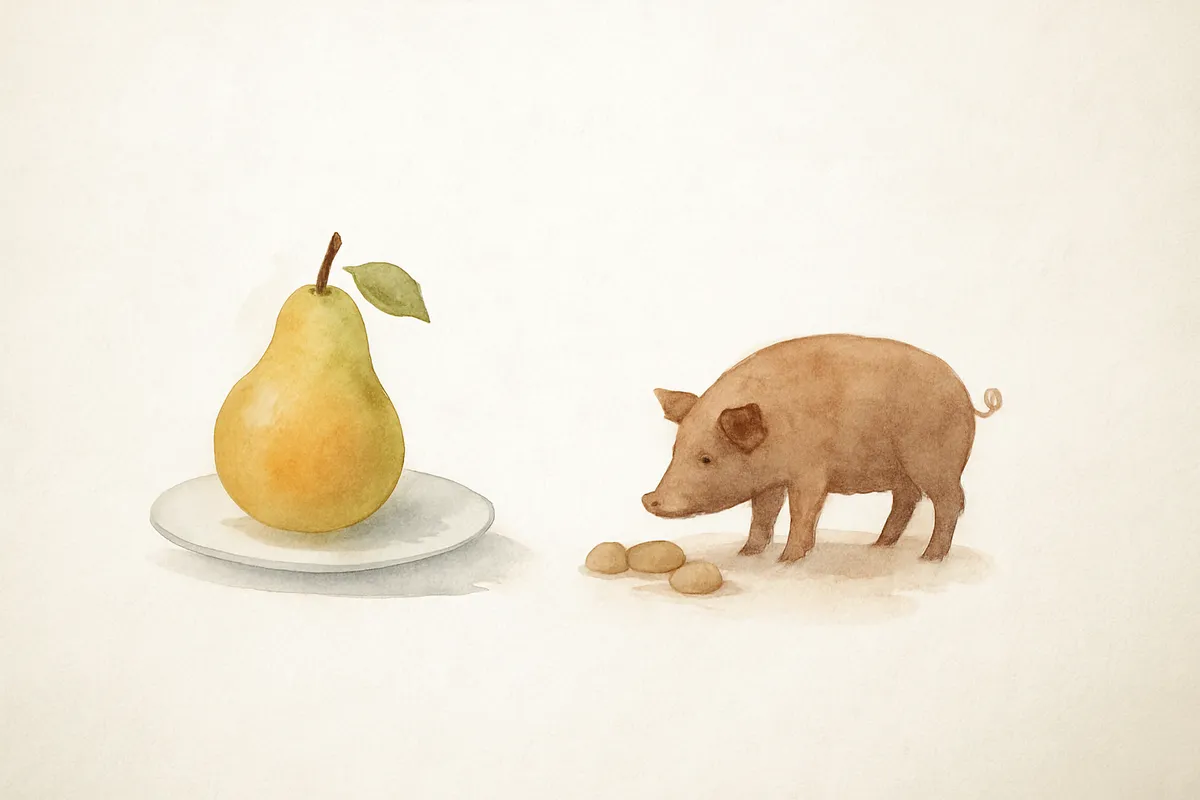
The Torah's dietary laws — kashrut (כַּשְׁרוּת, the system of permitted and forbidden foods) — form one of the most distinctive pillars of Jewish observance. The Torah provides clear criteria distinguishing tahor (טָהוֹר, ritually pure/permitted) from tamei (טָמֵא, ritually impure/forbidden) foods, rooted in the call to holiness.
Key Takeaways
- Land animals must have split hooves and chew their cud to be permitted — failing either one makes the animal forbidden.
- Fish must have fins and scales to be permitted; shellfish and seafood without both are forbidden.
- Birds: The Torah lists forbidden species by name; traditionally, only birds with an established mesorah (tradition) of being eaten are permitted.
- Insects and crawling creatures are universally forbidden.
- The laws of kashrut are grounded in the Torah's call to kedushah (קְדֻשָּׁה, holiness) — "Be holy, for I am holy."
The Biblical Foundation
Land Animals
The primary source is Leviticus 11:1–8 and its parallel in Deuteronomy 14:3–8. The Torah states:
"זֹאת הַחַיָּה אֲשֶׁר תֹּאכְלוּ מִכׇּל־הַבְּהֵמָה אֲשֶׁר עַל־הָאָרֶץ — This is the animal that you may eat from among all the land animals..." [Leviticus 11:2]
The two required signs (simanim, סִימָנִים) are:
- מַפְרֶסֶת פַּרְסָה — split hooves
- מַעֲלַת גֵּרָה — chewing the cud (rumination)
An animal must have both signs. The Torah then explicitly names four animals that have only one sign and are therefore forbidden [Leviticus 11:4–7]:
| Animal | Has | Lacks | |--------|-----|-------| | Camel (גָּמָל) | Chews cud | Split hoof | | Hyrax (שָׁפָן) | Chews cud | Split hoof | | Hare (אַרְנֶבֶת) | Chews cud | Split hoof | | Pig (חֲזִיר) | Split hoof | Chews cud |
The pig is considered especially problematic in Jewish tradition because it displays its split hoof (as if to say "I am kosher") while hiding its lack of cud-chewing — symbolizing hypocrisy [Midrash Vayikra Rabbah 13:5].
Examples of permitted animals include: ox, sheep, goat, deer, and gazelle [Deuteronomy 14:4–5].
Fish and Sea Creatures
The Torah permits fish that have both:
- סְנַפִּיר (snapir) — fins
- קַשְׂקֶשֶׂת (kaskeśet) — scales
All shellfish (shrimp, lobster, crab, oysters) and creatures lacking both signs are forbidden [Leviticus 11:9–12].
Birds
Rather than giving signs, the Torah lists 24 forbidden bird species [Leviticus 11:13–19; Deuteronomy 14:12–18]. The Talmud does provide general signs for forbidden birds [Chullin 59a], but because identification of species is uncertain, the accepted practice is:
Only birds with an established mesorah (מָסוֹרָה, unbroken tradition) of being eaten in a community are permitted.
Common permitted birds: chicken, turkey, duck, goose. Raptors and birds of prey are all forbidden.
Insects and Creeping Things
The Torah is emphatic:
"אַל־תְּשַׁקְּצוּ אֶת־נַפְשֹׁתֵיכֶם בְּכׇל־הַשֶּׁרֶץ הַשֹּׁרֵץ — Do not make yourselves detestable through any swarming creature that swarms..." [Leviticus 11:43]
And in Leviticus 20:25:
"וְלֹא־תְשַׁקְּצוּ אֶת־נַפְשֹׁתֵיכֶם בַּבְּהֵמָה וּבָעוֹף — You shall not make yourselves detestable through beast or bird..."
The prohibition on insects is one of the strictest in kashrut — eating even a single insect can involve multiple Torah violations. This is why checking vegetables like lettuce, broccoli, and herbs for insects (bedikat tola'im, בְּדִיקַת תּוֹלָעִים) is a serious halachic concern.
The exception: certain species of locusts (arbeh, אַרְבֶּה) are permitted by Torah law [Leviticus 11:22], though only communities with a clear tradition (like Yemenite Jews) still eat them.
The Spiritual Dimension — Why These Laws?
The Torah ties kashrut directly to holiness:
"כִּי אֲנִי יְהֹוָה אֱלֹהֵיכֶם וְהִתְקַדִּשְׁתֶּם וִהְיִיתֶם קְדֹשִׁים כִּי קָדוֹשׁ אָנִי — For I am the LORD your God: sanctify yourselves and be holy, for I am holy." [Leviticus 11:44]
Several major thinkers offer different rationales:
- Rambam (Maimonides, Mishneh Torah and Guide for the Perplexed 3:48): Forbidden foods are physically harmful to the body and damage health.
- Ramban (Nachmanides, Commentary to Leviticus 11): Forbidden foods have a spiritual effect — they coarsen the soul and dull spiritual sensitivity.
- Sefer HaChinuch (Mitzvah 73): The laws train us in self-discipline (shmirat hanefesh, שְׁמִירַת הַנֶּפֶשׁ) — mastering our physical appetites.
- Rabbi Samson Raphael Hirsch: Kashrut teaches that we do not live to eat; the Jew subordinates physical consumption to divine will.
Additional Rabbinic Laws
Beyond the Torah's categories, the Rabbis added:
- Basar b'chalav (בָּשָׂר בְּחָלָב) — prohibition of mixing meat and dairy [Exodus 23:19, as interpreted by the Talmud, Chullin 115b]
- Shechita (שְׁחִיטָה) — ritual slaughter requirements for meat
- Bishul Akum — food cooked by non-Jews in certain circumstances
- Yayin Nesech — restrictions on non-Jewish wine
For personal guidance on kashrut observance or specific questions, consult your local rabbi or posek.
Sources
People Also Asked
Want to dig deeper?