Maaser and terumah for garden veggies
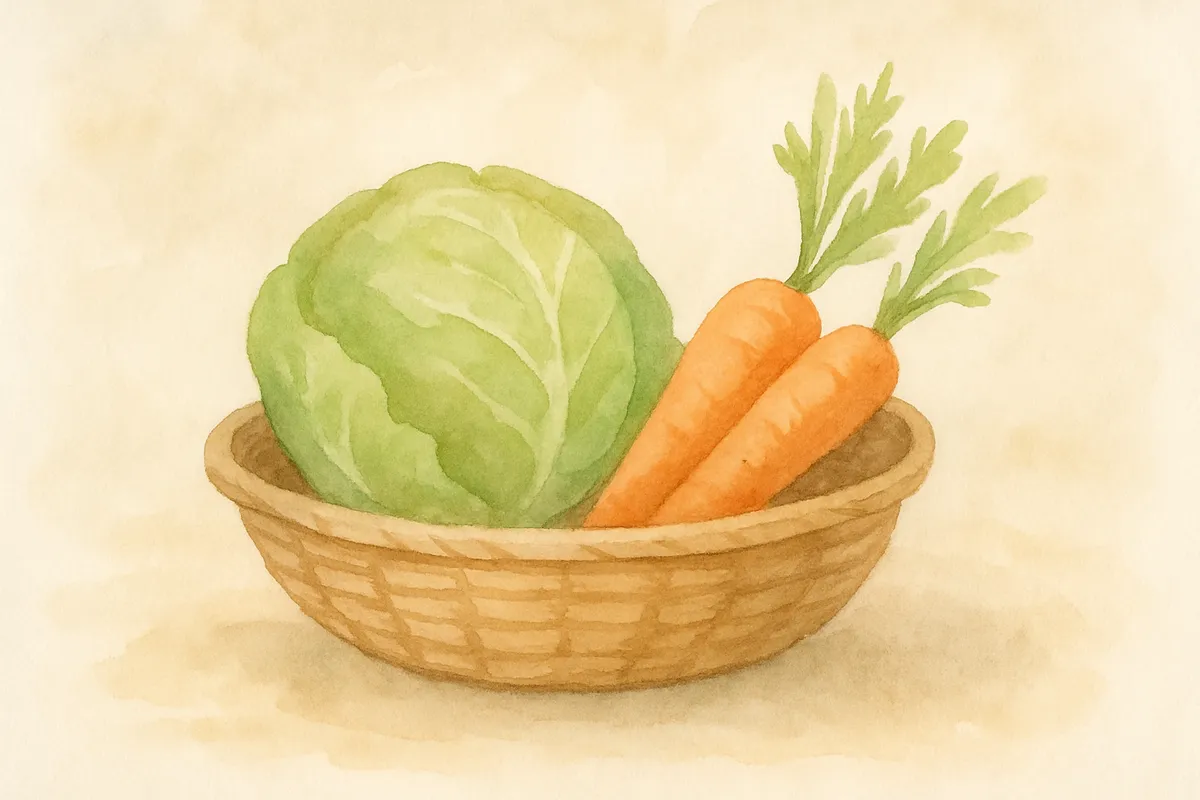
Maaser and Terumah for Garden Vegetables
Great question! This touches on agricultural laws (mitzvot hateluyot ba'aretz — commandments dependent on the Land) that are both deeply biblical and practically relevant today.
📖 The Biblical Foundation
Terumah (Priestly Portion)
The Torah commands separating Terumah from produce:
[Numbers 18:12] — כֹּל חֵלֶב יִצְהָר וְכׇל־חֵלֶב תִּירוֹשׁ וְדָגָן רֵאשִׁיתָם אֲשֶׁר־יִתְּנוּ לַיהֹוָה לְךָ נְתַתִּים "All the best of the oil, all the best of the wine and grain — the first fruits of what they give to God — I have given to you (the Kohen)."
Maaser (Tithes)
Similarly, tithes are commanded throughout the Torah, including Maaser Rishon (for Levites), Maaser Sheni (brought to Jerusalem), and Maaser Ani (for the poor).
🥬 Do These Apply to Garden Vegetables?
The Core Halachic Question
Yes — vegetables grown in your garden are subject to tevel (untithed produce that is forbidden to eat) and require separation of Terumah and Maaser. However, there are important nuances:
Rabbinic vs. Biblical Obligation
The Talmud and poskim discuss that vegetables carry a rabbinic (miderabanan) obligation, not a full biblical (mideorayta) one in many cases:
[Ra'avad, Mishneh Torah — Heave Offerings 1:5] notes: לא התיר רבי אלא מעשר ירק ופירות האילן שהן מדרבנן אף בא"י "Rabbi (Yehudah HaNasi) only permitted (leniency regarding) the tithe of vegetables and tree fruits because they are of rabbinic status, even in the Land of Israel."
This is a significant ruling — vegetables (ירק) are rabbinic-level tithes, which is why certain leniencies were applied historically.
The New Year for Vegetables
The Talmud also clarifies:
[Steinsaltz on Rosh Hashanah 2a] — the first of Tishrei is the new year "for the tithing of vegetables, because one may not tithe vegetables of one year against vegetables of another year" — שאין מעשרים מירק של שנה אחת על ירק של שנה אחרת
This means you cannot mix vegetables from different years when separating maaser — each year's produce must be tithed from that same year's harvest.
🌿 Practical Halacha for Garden Vegetables Today
Where Does This Apply?
- In Israel: These laws apply today (rabbinic level for vegetables)
- Outside Israel: Most poskim hold these laws do not apply in the Diaspora
Steps for Separating (in Israel):
- Separate ~1-2% as Terumah Gedolah (rendered inedible/disposed of)
- Separate 10% as Maaser Rishon (given or symbolic)
- Separate 10% of remainder as Maaser Sheni (redeemed onto a coin in years 1,2,4,5 of the shemitah cycle) or Maaser Ani (given to the poor in years 3 and 6)
Your Own Garden — Key Rules:
- If you grow vegetables for personal use in Israel, separation is required
- Vegetables that grew ownerless (hefker) or in a non-Jewish owned field may be exempt
- The obligation begins when the produce reaches the stage of being pickable (gmar melacha)
⚠️ Important Notes
| Topic | Detail | |-------|--------| | Terumah status today | Treated as tumah (impure) — separated but not given to a Kohen to eat | | Maaser Sheni redemption | Redeemed onto a perutah coin | | Outside Israel | Not obligatory according to most opinions | | Vegetables vs. fruit | Both are rabbinic level; grain/wine/oil carry biblical-level obligations |
Summary
Garden vegetables in Israel require rabbinic-level Terumah and Maaser separation. The Ra'avad and Talmud both confirm vegetables occupy a distinct, slightly more lenient category than grain or wine, yet the obligation remains serious. Each year's produce must be kept distinct for tithing purposes (based on Rosh Hashanah 2a).
Would you like me to walk through the step-by-step separation formula (the nusach/text recited), or discuss Shemitah year implications for garden vegetables? 🌱
Sources
People Also Asked
Want to dig deeper?