Isn't there something in the talmud about if one's comes from a affluent family they can buy their way out
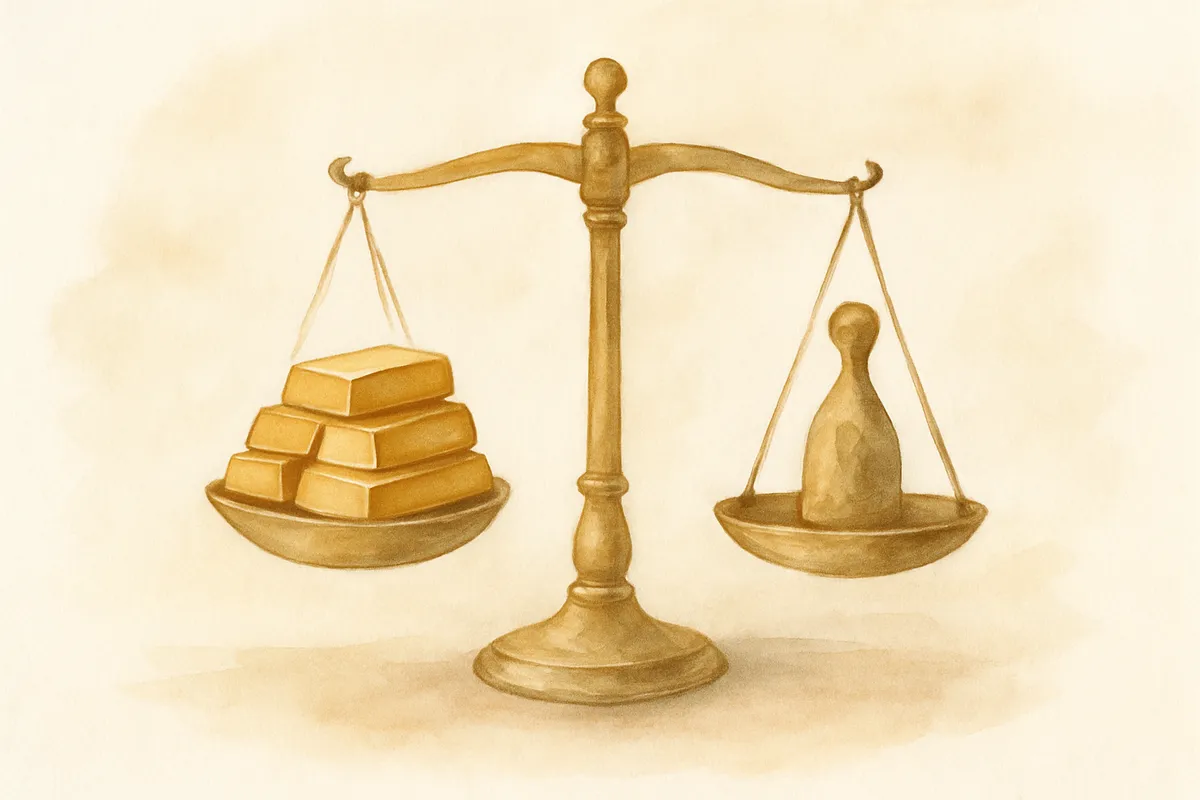
Poverty, Dignity, and Rabbinic Enactments: The Affluent "Buying Their Way Out"
You may be thinking of the Talmudic principle that a person who has fallen from wealth is entitled to charity and communal support calibrated to their former standard of living — including, in some cases, receiving funds to maintain their previous lifestyle. This concept appears most prominently in tractate Ketubot and related discussions, and reflects the Torah's deep concern for kavod ha-beriot (human dignity).
Key Takeaways
- The Talmud rules that a formerly wealthy person (ירד מנכסיו, "one who has descended from his wealth") must be supported at a level matching their prior standard of living.
- This is derived from Deuteronomy 15:8 — "sufficient for his need, in that which he lacks" — meaning charity must match the individual's definition of lacking.
- The classic illustration involves giving a formerly wealthy man a horse to ride and a servant to run before him.
- This is not exactly "buying their way out" — it is about dignified charity, not exemption from obligation.
- A separate but related principle in Moed Katan 27a shows the Rabbis abolished class-based distinctions in mourning practices to protect the poor from shame.
The Core Talmudic Source: Ketubot 67b
The most relevant passage is in [Ketubot 67b (Talmud)]:
"Sufficient for his need, in that which he lacks" (Deuteronomy 15:8) — this teaches that you are obligated to support him, but you are not obligated to make him wealthy. "In that which he lacks" — even a horse to ride upon and a servant to run before him.
The Talmud then relates a famous story: Hillel the Elder personally procured a horse for a formerly wealthy man to ride and even ran before him himself for three miles when no servant could be found — because that was the standard of dignity this man was accustomed to.
This is a remarkable statement: communal charity obligations are personalized, not uniform.
The Verse Behind It: Deuteronomy 15:8
[Deuteronomy 15:8]: "כִּי פָתֹחַ תִּפְתַּח אֶת יָדְךָ לוֹ וְהַעֲבֵט תַּעֲבִיטֶנּוּ דֵּי מַחְסֹרוֹ אֲשֶׁר יֶחְסַר לוֹ" "You shall surely open your hand to him and shall surely lend him sufficient for his need, in that which he lacks."
The phrase "that which he lacks" (asher yechsar lo) is interpreted by the Rabbis not as an objective standard but a subjective one — what this particular person lacks relative to their personal history and dignity.
Is This "Buying Your Way Out"?
Not exactly — it's important to clarify the nuance:
- What it IS: A halachic requirement that the community support a fallen aristocrat at a dignified level. The formerly wealthy person doesn't pay anything — they receive more.
- What it is NOT: A mechanism for the wealthy to exempt themselves from obligations others must fulfill.
However, there is a related concept worth noting: in certain Talmudic contexts, a person of means could substitute money for physical labor or obligations in ways the poor could not. The broader principle of "ain adam meisim atzmo rasha" (a person cannot self-incriminate) and various pidyon (redemption) mechanisms do allow money to substitute for certain obligations.
The Flip Side: Protecting the Poor From Shame
Your question may also be prompted by the passage actually retrieved from the Talmud — [Moed Katan 27a] — which shows the Rabbis moving in the opposite direction:
"Originally, they would bring food to the house of mourning — the wealthy in baskets of silver and gold, and the poor in baskets of wicker. And the poor were embarrassed. Therefore they enacted that everyone should bring in wicker baskets, out of respect for the poor."
This is a case where the Rabbis abolished the wealthy's ability to display their affluence — leveling the practice downward so the poor would not be shamed. The same equalizing principle was applied to burial shrouds (tachrichim) and funeral practices generally.
Kohelet's Warning About Wealth
[Ecclesiastes 5:9-10] adds a philosophical counterpoint:
"אֹהֵב כֶּסֶף לֹא־יִשְׂבַּע כֶּסֶף" — "One who loves silver will never be satisfied with silver."
Wealth, in the Torah's view, is morally neutral at best and spiritually dangerous at worst — which is why the Rabbis were careful to never let money become a tool for circumventing human dignity obligations.
Summary of Related Concepts
| Concept | Source | Direction | |---|---|---| | Charity calibrated to former wealth | Ketubot 67b | More given to formerly wealthy | | Mourning practices equalized | Moed Katan 27a | Wealthy cannot display affluence | | Loan interest forbidden | Exodus 22:24 | Wealthy may not exploit the poor | | Prohibition on overworking for wealth | Proverbs 23:4-5 | Wealth itself is cautioned against |
For practical halacha questions about charity obligations or communal support, consult your local rabbi or posek.
Sources
People Also Asked
Want to dig deeper?