Is there any source that would encourage preparing a dish or food for shabbos that we should refrain from eating on weekdays?
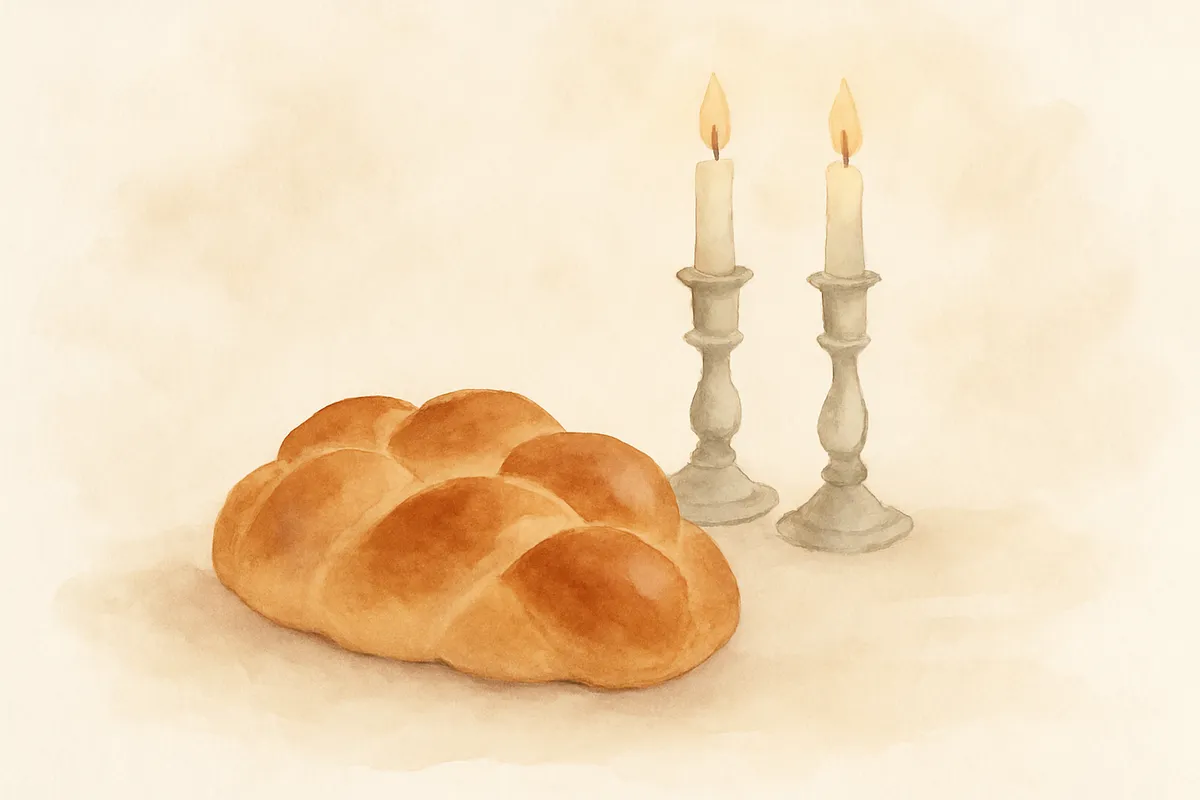
Yes, there is a direct Talmudic and halachic basis for this practice. The principle of Shammai the Elder — saving the best food specifically for Shabbat — is well-documented in the Talmud and codified in halachic literature, encouraging a person to consciously set aside special foods throughout the week in honor of Shabbat.
Key Takeaways
- Shammai would dedicate special foods to Shabbat throughout the week, refraining from eating them on weekdays.
- The Shulchan Aruch codifies the obligation to honor Shabbat with special food and effort.
- Even Hillel, who had a different personal practice, agreed the ideal standard is to save the best food for Shabbat.
- Verbally declaring a food purchase "in honor of Shabbat" is itself a fulfillment of the mitzvah of Zachor (remembering Shabbat).
- This practice connects directly to the Torah commandment: "Zachor et yom haShabbat lekadsho" — "Remember the Sabbath day to sanctify it."
The Source: Shammai's Practice in the Talmud
The clearest source for your question is found in [Beitzah 16a] (also referenced in [Shabbat 119a]):
Shammai would dedicate foods to Shabbat all week long. If he found a fine animal on Sunday, he would say: "This is for Shabbat." If he then found a finer one on Monday, he would eat the first and set aside the better one for Shabbat — continuing this process throughout the week.
This is a direct expression of the practice you are describing: consciously refraining from eating a special food on weekdays in order to honor Shabbat with it.
Hillel's Different Approach — and How Poskim Reconcile Them
Hillel the Elder had a contrasting personal practice — he would eat a fine food the day he found it, trusting that God would provide something equally fine for Shabbat. This was rooted in his exceptional level of bitachon (trust in God).
However, the Poskim (halachic authorities) clarify that this was unique to Hillel:
"כתבו הפוסקים, שגם לדעת הלל הזקן, בדרך כלל עדיף לנהוג כשמאי, ולשמור את המאכל הטוב לשבת, אלא שהוא היה מיוחד במידת בטחונו... אבל אדם שאינו בוטח בזה, צריך לכבד את השבת ולשמור את המאכל הטוב לשבת."
"The Poskim wrote that even according to Hillel the Elder, it is generally preferable to follow the practice of Shammai and save the good food for Shabbat — however Hillel was uniquely distinguished in his level of trust in God... But a person who does not have that level of trust must honor Shabbat and save the good food for Shabbat."
[Peninei Halakhah, Shabbat 2:1:4]
This is a striking ruling: Shammai's practice is the normative standard for the rest of us. Hillel's approach was a personal spiritual level, not a general instruction.
The Torah Foundation: Zachor
The Torah commands [Exodus 20:8]:
"זָכוֹר אֶת־יוֹם הַשַּׁבָּת לְקַדְּשׁוֹ" "Remember the Sabbath day to sanctify it."
The Rabbis derive from the word Zachor ("Remember") that this remembrance must be active and ongoing throughout the week — not just on Shabbat itself. Shammai's practice of designating food for Shabbat during the week is a direct expression of this commandment.
Practical Application: Verbal Declaration
The halachic sources add a beautiful practical dimension:
"טוב לומר בשעת הקניות, שקנייה זו 'לכבוד שבת קודש', והרי זה בכלל מצוות 'זכור'."
"It is good to say at the time of purchasing that this purchase is 'in honor of the holy Shabbat' — and this is included in the fulfillment of the mitzvah of Zachor."
[Peninei Halakhah, Shabbat 2:1:6]
So even saying aloud that you are buying or setting aside a food "for Shabbat" is a halachically meaningful act.
The Shulchan Aruch's Position
The Shulchan Aruch [Orach Chayim 242] rules that one must be diligent (zahir) in honoring Shabbat — and that one should limit expenditures during the week specifically in order to have resources to honor Shabbat properly. This reinforces the idea that weekday restraint is in service of Shabbat's special status.
Summary of the Practice
| Figure/Source | Position | |---|---| | Shammai | Save best food all week for Shabbat | | Hillel | Eat when found, trust God for Shabbat — but this was his personal spiritual level | | Poskim (general ruling) | Follow Shammai's practice; it is the normative ideal | | Shulchan Aruch OC 242 | Limit weekday expenses to honor Shabbat | | Peninei Halakhah | Verbal declaration "for Shabbat" is itself a fulfillment of Zachor |
For personal guidance on how to implement this in your specific situation, consult your local rabbi or posek.
Sources
People Also Asked
Want to dig deeper?