In which part of the torah the mitzvah of yibum is stated
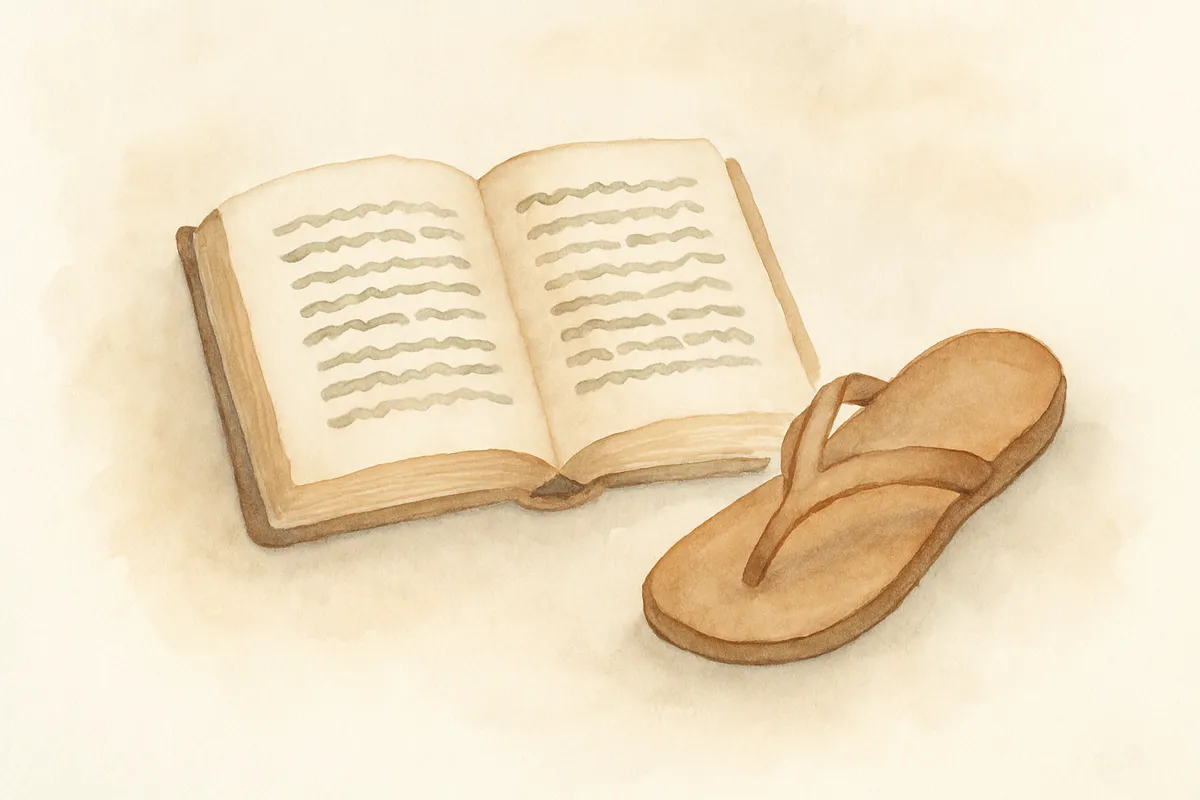
The mitzvah of yibum (levirate marriage) is primarily stated in Deuteronomy (Devarim) 25:5–10, where the Torah lays out the full commandment in detail, including both the obligation of yibum and the alternative ceremony of chalitzah (release). A earlier narrative precedent also appears in Genesis 38, in the story of Yehudah and Tamar, predating the formal legislation.
Key Takeaways
- The primary, formal commandment of yibum is found in Deuteronomy 25:5–10.
- The passage covers both yibum (the marriage itself) and chalitzah (the sandal-removal release ceremony).
- Genesis 38 contains a narrative precedent with Yehudah commanding his son Onan to perform yibum for Tamar.
- The purpose of the mitzvah is to preserve the name and legacy of the deceased brother in Israel.
- The Mishnah in tractate Yevamot is the primary rabbinic source elaborating all the laws of yibum.
The Primary Torah Source: Deuteronomy 25:5–10
The formal commandment appears in Parashat Ki Teitzei:
"כִּי יֵשְׁבוּ אַחִים יַחְדָּו וּמֵת אַחַד מֵהֶם וּבֵן אֵין לוֹ — לֹא תִהְיֶה אֵשֶׁת הַמֵּת הַחוּצָה לְאִישׁ זָר, יְבָמָהּ יָבֹא עָלֶיהָ" "If brothers dwell together and one of them dies and has no son, the wife of the deceased shall not marry outside the family to a stranger; her brother-in-law shall come to her..." [Deuteronomy 25:5]
This passage establishes several key legal elements:
- The situation: Brothers who "dwelt together" (yashvu yachdav), one of whom dies childless
- The prohibition: The widow may not marry a stranger (ish zar)
- The obligation: The yavam (surviving brother) shall perform yibum
- The purpose: "לְהָקִים לְאָחִיו שֵׁם בְּיִשְׂרָאֵל" — "to establish his brother's name in Israel" [Deuteronomy 25:7]
- The alternative: If he refuses, chalitzah is performed — the widow removes his sandal and declares his refusal publicly [Deuteronomy 25:9–10]
The Rambam counts chalitzah as a positive commandment in its own right, stating: "וְכָבָר יָדַעְתָּ אָמְרָם מִצְוַת יִבּוּם קוֹדֶמֶת לְמִצְוַת חֲלִיצָה" — "You already know their statement that the commandment of yibum precedes the commandment of chalitzah" [Sefer HaMitzvot, Positive Commandment 217].
The Narrative Precedent: Genesis 38
Before the formal Sinaitic legislation, the story of Yehudah and Tamar in Genesis 38 shows yibum practiced as an accepted social custom:
"וַיֹּאמֶר יְהוּדָה לְאוֹנָן, בֹּא אֶל אֵשֶׁת אָחִיךָ וְיַבֵּם אֹתָהּ" "Yehudah said to Onan: Consummate marriage with your brother's wife, and fulfill the yibum rite with her, and establish seed for your brother." [Genesis 38:8]
The Ramban (Nachmanides) comments on this verse, noting that the purpose of yibum is to "establish the name of the deceased upon his inheritance," and he critiques Rashi's interpretation that the child would literally be called by the dead brother's name — pointing out that the Torah itself never commands the yavam to name his son after the deceased brother [Ramban on Genesis 38:8].
Rabbinic Elaboration
The entire tractate of Yevamot in the Mishnah and Talmud is devoted to the laws of yibum and chalitzah. The very first Mishnah in Yevamot begins by listing the fifteen categories of women who are exempt from yibum due to pre-existing forbidden relationships [Mishnah Yevamot 1:1].
Yibum vs. Chalitzah: Which Takes Priority?
A famous debate exists about which is preferred today:
- Originally: "מִצְוַת יִבּוּם קוֹדֶמֶת לְמִצְוַת חֲלִיצָה, בָּרִאשׁוֹנָה, שֶׁהָיוּ מִתְכַּוְּנִין לְשֵׁם מִצְוָה" — "The commandment of yibum preceded that of chalitzah in earlier times, when [the yavam] intended to fulfill the commandment for its own sake." [Mishnah Bekhorot 1:7]
- Today: The same Mishnah continues — "וְעַכְשָׁיו שֶׁאֵין מִתְכַּוְּנִין לְשֵׁם מִצְוָה, אָמְרוּ מִצְוַת חֲלִיצָה קוֹדֶמֶת לְמִצְוַת יִבּוּם" — "But now that [the yavam] does not intend to fulfill it for its own sake, they said that chalitzah takes precedence." [Mishnah Bekhorot 1:7]
- Sephardic practice: Generally permits actual yibum
- Ashkenazic practice: Following the cherem (ban) of Rabbeinu Gershom, yibum is not practiced and chalitzah is performed instead
For personal guidance on any practical matters related to yibum or chalitzah, consult your local rabbi or posek.
Sources
People Also Asked
Want to dig deeper?