Ezekiel is commanded to erect a virtual military assault on Jerusalem. How is this to be understood and did it be mentioned after it was commanded in terms of how it was enacted.
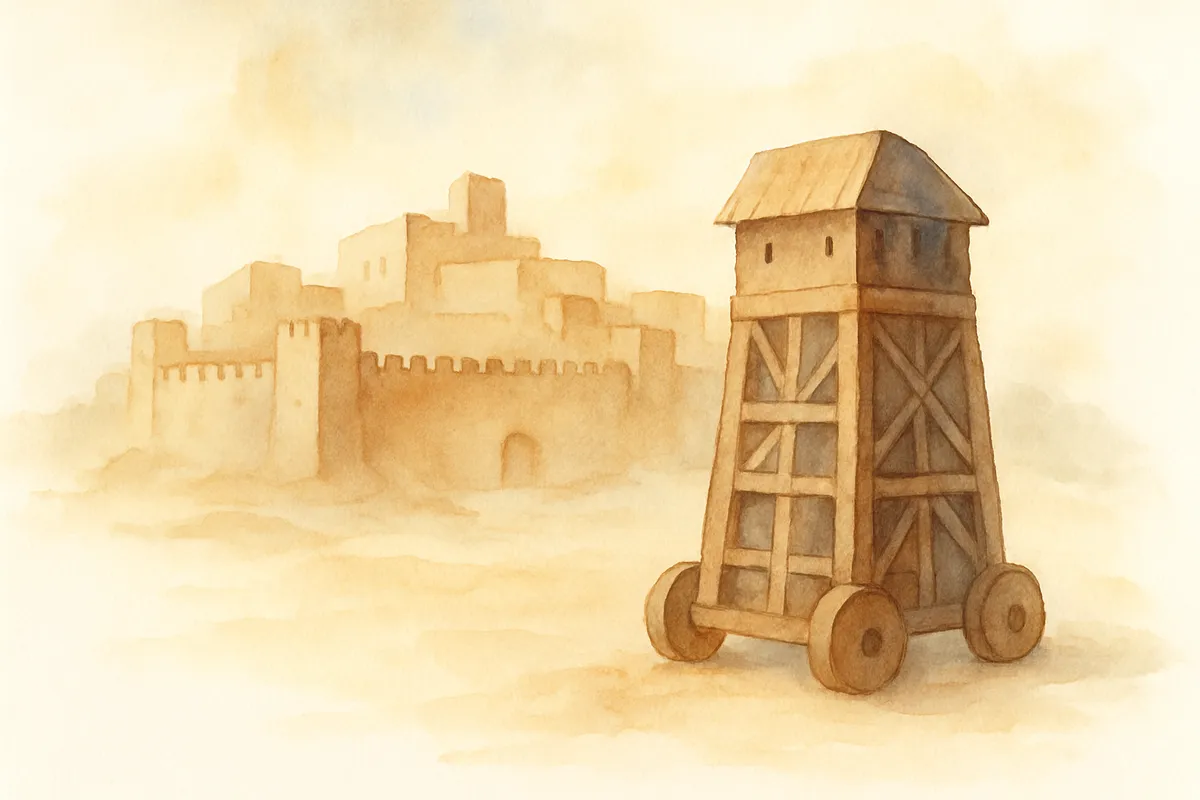
Brilliant question — this refers to one of the most striking and unusual prophetic acts in all of Tanakh. The passage is found in Ezekiel 4, which is directly present in our retrieved sources, and it is part of a series of symbolic prophetic acts (otot — signs) that Ezekiel performs.
Key Takeaways
- Ezekiel is commanded to perform an elaborate symbolic siege of Jerusalem using a clay brick, an iron pan, and his own body — not an actual military assault.
- This act belongs to the category of ma'aseh navi (prophetic symbolic action) — where the prophet's body and actions become the message.
- The siege enacted on the brick was a prophetic anticipation of the actual Babylonian siege of Jerusalem that followed.
- The iron pan placed between Ezekiel and the brick is one of the most debated symbols in all of Ezekiel — representing either divine separation, Babylonian power, or both.
- There is profound Rabbinic debate about whether prophetic symbolic acts actually cause the events they depict, or merely predict them.
The Command Itself — What Ezekiel Was Told to Do
The retrieved source [Ezekiel 4:1-17] gives us the direct text. Let us walk through it systematically:
Stage One — The Brick [Ezekiel 4:1-3]
"וְאַתָּה בֶן־אָדָם קַח־לְךָ לְבֵנָה וְנָתַתָּה אוֹתָה לְפָנֶיךָ וְחַקּוֹתָ עָלֶיהָ עִיר אֶת־יְרוּשָׁלָם" "And you, son of man, take yourself a brick and place it before you, and engrave upon it a city — Jerusalem." [Ezekiel 4:1]
God then commands Ezekiel to construct around this engraved brick:
- מָצוֹר (matzor) — a siege wall
- דָּיֵק (dayek) — a siege ramp or tower
- סֹלְלָה (solelah) — an earthen embankment
- מַחֲנוֹת (machanot) — military camps surrounding it
- כָּרִים (karim) — battering rams positioned around it
This is a miniature, detailed recreation of ancient Near Eastern siege warfare — all enacted symbolically around a single clay brick.
Stage Two — The Iron Pan [Ezekiel 4:3]
"וְאַתָּה קַח־לְךָ מַחֲבַת בַּרְזֶל וְנָתַתָּה אוֹתָה קִיר בַּרְזֶל בֵּינְךָ וּבֵין הָעִיר" "And you, take for yourself an iron pan and place it as an iron wall between you and the city." [Ezekiel 4:3]
Then God says:
"וַהֲכִינֹתָה אֶת־פָּנֶיךָ אֵלֶיהָ וְהָיְתָה בַמָּצוֹר וְצַרְתָּ עָלֶיהָ א֥וֹת הִ֖יא לְבֵ֥ית יִשְׂרָאֵֽל" "And set your face toward it, and it shall be under siege, and you shall besiege it. This is a sign to the House of Israel." [Ezekiel 4:3]
Stage Three — Lying on His Side [Ezekiel 4:4-8]
This is perhaps the most physically demanding part of the command:
- Ezekiel is commanded to lie on his left side for 390 days — bearing the iniquity of the House of Israel (the northern kingdom)
- Then on his right side for 40 days — bearing the iniquity of the House of Judah
- Each day represents one year of punishment
- He is told God will bind him with ropes so he cannot turn over
Stage Four — The Siege Bread [Ezekiel 4:9-17]
Ezekiel is commanded to eat a rationed diet of mixed grains baked over human dung — symbolizing the defilement and deprivation of siege conditions.
Ezekiel protests this last element — it would render him ritually impure — and God mercifully relents, substituting cow's dung instead [Ezekiel 4:14-15]. This is one of the rare moments in Nevi'im where a prophet successfully intercedes to modify a divine command to himself.
What Is the Iron Pan? — The Central Interpretive Debate
The iron pan (machavat barzel) placed between Ezekiel and the brick-Jerusalem is the most debated symbol in this entire passage:
Opinion 1 — The Pan Represents Babylon (Rashi)
Rashi interprets the iron pan as representing Nebuchadnezzar and the Babylonian army — the hard, impenetrable force that God is placing between the prophet (representing God) and Jerusalem. The siege is inevitable and unstoppable because God has ordained it.
Opinion 2 — The Pan Represents Divine Separation (Radak)
Radak argues the iron pan represents God's withdrawal of His presence from Jerusalem — the divine Shechina (presence) being blocked from protecting the city. This connects to Ezekiel's famous vision in chapters 8-11 of the Shechina departing the Temple step by step.
Opinion 3 — The Pan Represents the Prophet Interceding (Abarbanel)
Abarbanel offers a remarkable reading — Ezekiel himself, holding the pan, represents the last barrier between divine wrath and Jerusalem. The prophet stands as an intercessor, a human wall, trying to hold back destruction. When even the prophet cannot stop it, the doom is truly sealed.
Opinion 4 — The Pan Represents Israel's Sin (Malbim)
The Malbim reads the iron pan as representing the hardness of Israel's heart — their stubborn refusal to repent has created an impenetrable barrier between themselves and God's mercy.
Was It Actually Enacted? — The Question of Fulfillment
This is the heart of your question — did Ezekiel actually perform these acts, and how are they described as having been carried out?
The Textual Evidence
The text of Ezekiel does not record a narrator confirming each act was performed — unlike some other prophetic symbolic acts (such as Isaiah walking naked for three years [Isaiah 20:3] where the text confirms it happened).
However, several strong indicators suggest the acts were genuinely performed:
- Ezekiel 4:14-15 — Ezekiel's protest about the dung-fuel and God's response only makes sense if the command was being literally enacted. You do not protest a purely visionary instruction.
- Ezekiel 12:7 records of a later symbolic act: "וָאַעַשׂ כֵּן" — "And I did so" — suggesting that Ezekiel regularly fulfilled his symbolic commands literally.
- The Talmud [Sanhedrin 39a] discusses Ezekiel's physical acts as literal historical events.
Rabbinic Discussion of Whether It Was Literal
The Talmud [Moed Katan 5a] records a fascinating debate about whether prophetic symbolic acts (ma'aseh navi) were always performed literally or sometimes only envisioned:
- Rabbi Eliezer holds that prophetic actions were sometimes performed only in prophetic vision — particularly those that would be physically impossible or halachically problematic.
- The majority opinion holds that most symbolic acts were literally performed — their whole power lay in their physical reality before witnesses.
Maimonides (Rambam) in his Moreh Nevuchim (Guide for the Perplexed, Part 2, Chapter 46) takes a controversial position — he
Sources
People Also Asked
Want to dig deeper?