Davening
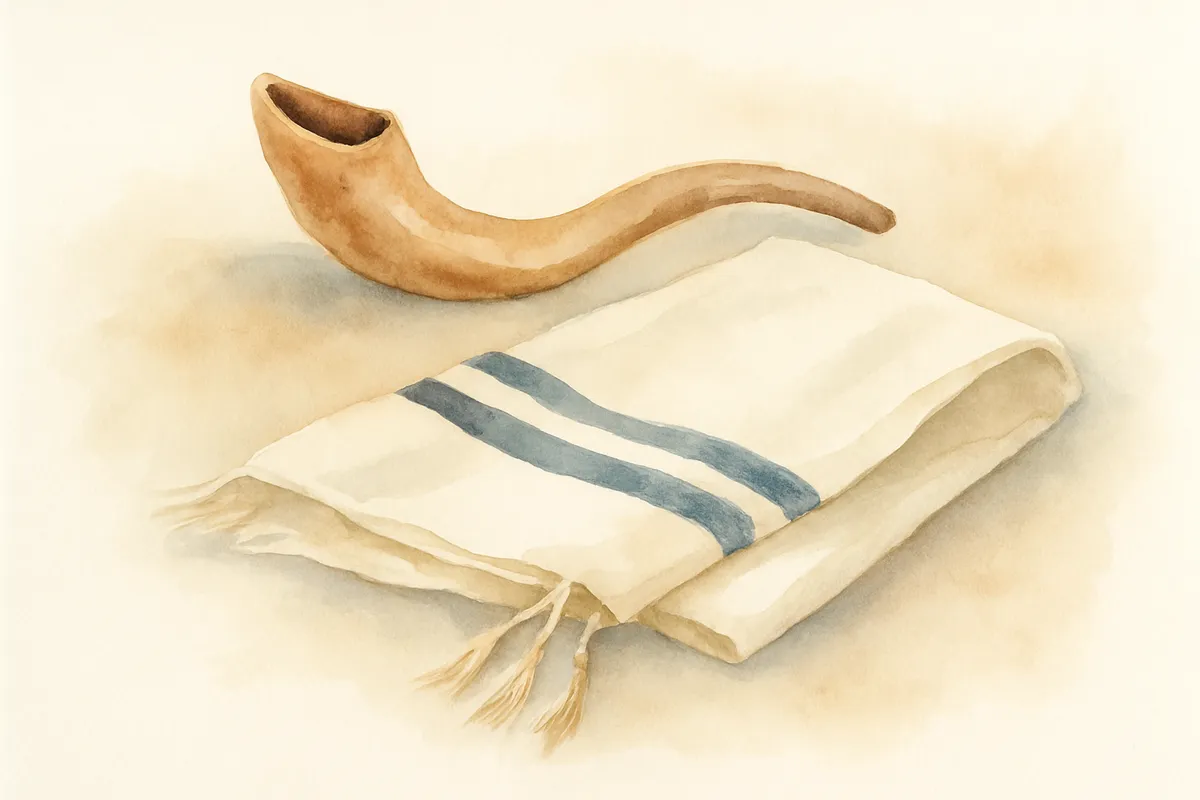
Davening — The Jewish Practice of Prayer
Davening (from the Yiddish, meaning prayer) is one of the most fundamental practices in Jewish life — the daily structured conversation between a person and God. At its core, davening means standing before the Almighty, opening your heart, and acknowledging your dependence on Him.
Key Takeaways
- Davening three times daily (Shacharit, Mincha, Ma'ariv) corresponds to the three patriarchs and replaces the Temple sacrifices.
- Kavanah (intention/focus) is essential — the heart must be engaged, not just the lips.
- The Amidah (the Standing Prayer) is the central pillar of every prayer service.
- Even when formal prayer feels distant, the "gates of tears" are never closed to sincere crying out to God.
- Prayer is described Biblically as avodah shebalev — "service of the heart."
The Foundation: What Is Prayer?
The Torah source for prayer comes from Deuteronomy 11:13: "וּלְעׇבְד֔וֹ בְּכׇל־לְבַבְכֶ֖ם" — "and to serve Him with all your heart." The Talmud [Taanit 2a] asks: what is avodah (service) of the heart? It answers: this is prayer. Prayer is not merely ritual recitation — it is an act of love and inner devotion.
The Three Daily Services
The Talmud [Berakhot 26b] records two opinions on the origin of the three daily prayers:
- Rabbi Yose bar Chanina: The three tefilot (prayers) were instituted by the three Patriarchs — Avraham (Shacharit), Yitzchak (Mincha), and Yaakov (Ma'ariv).
- The Rabbis: The prayers correspond to the daily Temple sacrifices — the morning tamid, the afternoon tamid, and the musafin.
Both traditions are accepted, and they complement each other beautifully.
The Central Prayer: The Amidah
The Amidah (literally "the standing") — also called the Shemoneh Esrei (Eighteen Blessings) — is the heart of every prayer service. It contains:
- Praise (shevach) — the first three blessings
- Requests (bakasha) — the middle thirteen blessings on weekdays
- Thanksgiving (hoda'ah) — the final three blessings
The Siddur [Shacharit, Amidah] opens the Amidah with these requirements for the one praying:
"המתפלל צריך שיכוין בליבו פירוש המילות שהוא מוציא בשפתיו" — "One who prays must direct his heart to the meaning of the words that his lips are uttering."
[Siddur Ashkenaz, Shacharit, Amidah, Patriarchs 1]
The same source adds that one should stand with feet together, pray quietly, and not make gestures — all reflecting the gravity of standing before the King.
Kavanah — Intention in Prayer
Kavanah (כַּוָּנָה — intention, mindfulness) is the soul of davening. The Shulchan Aruch [Orach Chaim 98:1] rules that prayer without kavanah is like a body without a soul.
The Siddur gives a practical standard:
If one cannot have full kavanah for every word, at minimum one must focus during prayer on "things that humble the heart and direct it toward our Father in Heaven." [Siddur Ashkenaz, Shacharit, Amidah, Patriarchs 1]
This is an important and merciful ruling — perfect concentration is not always achievable, but sincere orientation of the heart is always required.
The Shema Koleinu Blessing — Asking God to Accept Our Prayer
At the end of the middle section of the Amidah, we recite Shema Koleinu — "Hear Our Voice":
"שְׁמַע קוֹלֵנוּ יְהֹוָה אֱלֹהֵינוּ חוּס וְרַחֵם עָלֵינוּ וְקַבֵּל בְּרַחֲמִים וּבְרָצוֹן אֶת־תְּפִלָּתֵנוּ" "Hear our voice, Lord our God, have compassion and mercy on us, and accept our prayer with compassion and goodwill."
[Siddur Ashkenaz, Shacharit, Amidah, Response to Prayer 1]
This blessing is a prayer within a prayer — an acknowledgment that we need God's grace even to have our prayers heard.
When Prayer Feels Hard: The Gates of Tears
Rabbi Elazar teaches in the Talmud:
"מִיּוֹם שֶׁחָרַב בֵּית הַמִּקְדָּשׁ נִנְעֲלוּ שַׁעֲרֵי תְּפִלָּה... וְאַף עַל פִּי שֶׁשַּׁעֲרֵי תְפִילָּה נִנְעֲלוּ, שַׁעֲרֵי דִמְעָה לֹא נִנְעֲלוּ" "Since the day the Temple was destroyed, the gates of prayer have been locked... but even though the gates of prayer are locked, the gates of tears are never locked."
[Berakhot 32b; Bava Metzia 59a]
This teaching is profoundly comforting. Even in exile, even when prayer feels blocked or hollow — a sincere tear, a broken heart, always reaches Heaven.
Prayer on Rosh Hashanah and Yom Kippur
The Unetaneh Tokef prayer — one of the most powerful liturgical poems of the High Holy Days — captures why davening on these days carries such urgency:
"בְּרֹאשׁ הַשָּׁנָה יִכָּתֵבוּן, וּבְיוֹם צוֹם כִּפּוּר יֵחָתֵמוּן" "On Rosh Hashanah it is written, and on Yom Kippur it is sealed."
And then: "וּתְשׁוּבָה וּתְפִלָּה וּצְדָקָה מַעֲבִירִין אֶת רֹעַ הַגְּזֵרָה" — "But teshuva (repentance), tefillah (prayer), and tzedakah (charity) avert the evil decree."
[Unetaneh Tokef]
Prayer is not passive — it is a force that can literally change the outcome of our year.
Deeper Dimensions
King David expressed the essence of sincere prayer in [Psalms 69:14]:
"וַאֲנִי תְפִלָּתִי־לְךָ יְהֹוָה עֵת רָצוֹן" — "As for me, my prayer is to You, O Lord, at a time of favor."
The Sfat Emet (R. Yehudah Aryeh Leib Alter of Ger) taught that when a person truly prays — not reciting words, but becoming the prayer — that person themselves becomes a tefillah, a living embodiment of connection to God.
Is there a specific aspect of davening you'd like to explore further — *kavan
Sources
People Also Asked
Want to dig deeper?