Can I buy a new bekasha before the 9 days but during the 3 weeks
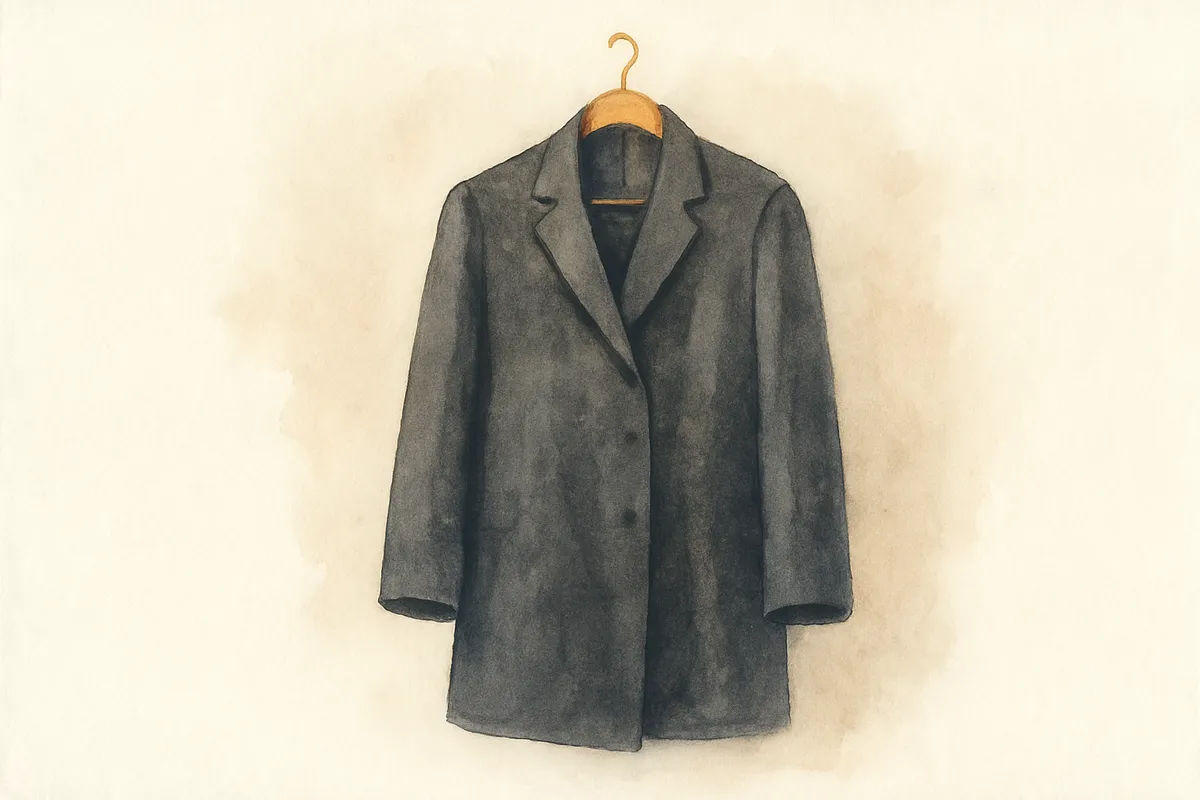
Buying a New Bekishe During the Three Weeks (Before the Nine Days)
Buying a new bekishe (the traditional Hasidic silk or satin coat worn on Shabbat and Yom Tov) during the Three Weeks but before the Nine Days is generally permitted, though there are nuances worth knowing.
Key Takeaways
- The full mourning restrictions on purchasing new garments apply primarily during the Nine Days, not the Three Weeks.
- The Three Weeks have lighter restrictions — primarily focused on haircuts, music, weddings, and shehecheyanu.
- A bekishe worn on Shabbat presents a specific question regarding shehecheyanu and when it is "worn" for the first time.
- Some Hasidic communities have stricter customs during the Three Weeks that may affect this.
- Purchasing before the Nine Days is the preferred approach if you need the garment for a Shabbat during this period.
Detailed Answer
The Three Weeks vs. The Nine Days — What's the Difference?
The period of mourning between 17 Tammuz and 9 Av (Tisha B'Av) has two levels of stringency:
- The Three Weeks (Bein HaMetzarim): Restrictions include no weddings, no haircuts, no listening to live music, and — critically — no reciting shehecheyanu on new fruits or garments.
- The Nine Days (1–9 Av): Additional restrictions kick in, including no eating meat or drinking wine (outside of Shabbat), no bathing for pleasure, no laundering, and no purchasing or wearing new garments [Shulchan Aruch, Orach Chaim 551].
Purchasing New Garments — When Is It Restricted?
The Shulchan Aruch [OC 551:7] prohibits making new garments, buying new clothes, or wearing them for the first time during the Nine Days — not the Three Weeks per se.
Rama [OC 551:7] extends this slightly, noting that some are careful not to purchase items that bring joy (simcha) even before the Nine Days if they are significant enough.
So during the Three Weeks but before Rosh Chodesh Av, the primary concern with buying a bekishe is:
The Shehecheyanu Problem
The main halachic issue during the Three Weeks is reciting shehecheyanu (the blessing said on new things that bring joy). The Magen Avraham [OC 551, sk 45] and others rule that one should avoid wearing a new garment that requires shehecheyanu during the Three Weeks.
A bekishe is a significant, joyous garment, and wearing it new would typically warrant shehecheyanu.
The practical solution: Many authorities rule that if you purchase it during the Three Weeks but first wear it on Shabbat, the shehecheyanu is subsumed into the Shabbat Kiddush blessings — or alternatively, shehecheyanu may be recited on Shabbat even during the Three Weeks, since Shabbat itself is joyous and the mourning restrictions are partially suspended [Mishnah Berurah 551:98].
Specific Considerations for a Bekishe
A bekishe is almost exclusively worn on Shabbat and Yom Tov — this is actually helpful halachically:
- Since it is a Shabbat garment, wearing it for the first time on Shabbat (when shehecheyanu is permitted even during the Three Weeks) resolves the primary concern.
- Purchasing it during the Three Weeks (before the Nine Days) is clearly permitted according to most authorities.
- You should not first wear it during the Nine Days weekdays — but wearing it on the Shabbat within the Nine Days (Shabbat Chazon) is debated and many permit it [Mishnah Berurah 551:6].
Hasidic Custom Considerations
Since a bekishe is particularly associated with Hasidic practice, note that many Hasidic communities (kehillos) may have stricter communal customs during the Three Weeks. Some Rebbes have discouraged purchasing expensive or celebratory items during the entire Three Weeks period. You should check the custom of your specific community.
Practical Summary
| Timing | Purchasing a Bekishe | First Wearing | |---|---|---| | Three Weeks (before Nine Days) | ✅ Generally permitted | ✅ Permitted on Shabbat; avoid weekday first-wearing | | Nine Days weekdays | ❌ Should avoid | ❌ Avoid | | Shabbat Chazon (Nine Days Shabbat) | — | ✅ Most permit first wearing |
For personal guidance, consult your local rabbi or posek — especially given that Hasidic communities often have specific customs regarding the Three Weeks that may go beyond the baseline halacha.
Sources
People Also Asked
Want to dig deeper?